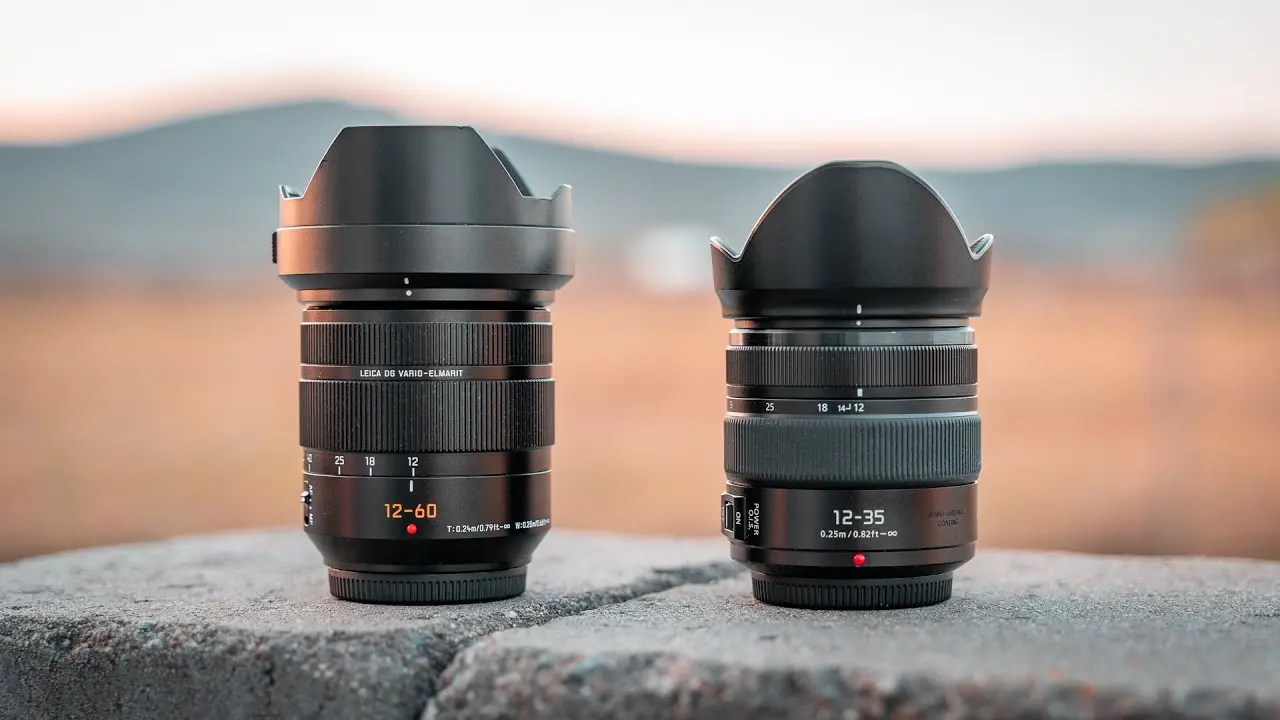
Choosing the best camera lens for architectural photography can feel like trying to pick a needle in a haystack. There are so many good architectural photography lens options that it’s hard to know which one will actually give you the results you want.
The best camera lens for architectural photography does not have a simple winner. A tilt-shift prime will keep verticals honest. An ultra-wide zoom will let you fit a foyer or atrium into one frame, and a standard zoom is the everyday workhorse.
Quick List – Best Lenses for Architectural Photography
Finding the best architectural lens for your camera system becomes much easier when everything is in one place. Below you’ll find a quick reference list for each major brand. Every option listed is a camera lens for architectural photography known for clarity, low distortion, and reliable performance.
Note: A tilt-shift architectural photography lens give the cleanest geometric control; ultra-wides and low-distortion zooms are more versatile day-to-day.
| Brand / Category | Top Picks | Why it’s useful for architecture |
| Canon (EF/RF) | TS-E 17mm f/4L; TS-E 24mm f/3.5L II; RF 15–35mm f/2.8; RF 24–105mm f/4L IS USM | Tilt-shifts for perfect verticals; RF 24–105 is a flexible walk-around zoom. |
| Nikon (F/Z) | PC NIKKOR 19mm f/4E ED; PC-E 24mm f/3.5D; Z 14–30mm f/4 S | Nikon’s PC lenses bring excellent shift range for façades and interiors. |
| Sony (FE) | FE 12–24mm f/4 G; FE 16–35mm f/2.8 GM; 24–105mm f/4 G | Very sharp ultra-wides for sweeping modern architecture and interiors. |
| Fujifilm (X) | XF 8–16mm f/2.8; XF 10–24mm f/4; XF 16–55mm f/2.8 | Excellent for APS-C shooters who need low distortion and high resolution. |
| Third-party | Sigma 14–24mm F2.8 DG DN Art; Laowa 12mm Zero-D; Tamron 17–28mm f/2.8 | Sharp, low-distortion ultra-wides and budget/weight-balanced options favored in pro workflows. |
Best Canon Lenses for Architectural Photography
Canon has long been a favorite among specialists who want the best lens for architectural photography, especially because of its TS-E tilt-shift range. The best Canon tilt-shift lens for architecture is often considered the TS-E 17mm f/4L, thanks to its wide coverage and excellent distortion control.
- Canon TS-E 17mm f/4L: an ultra-wide tilt-shift prime prized for its shift range and minimal optical compromises; an architectural photography lens ideal for tight interiors where you must keep lines straight.
- Canon TS-E 24mm f/3.5L II: slightly longer, excellent for façades and interiors when you need more control and a more natural field of view.
- Canon RF 15–35mm f/2.8L: high performance ultra-wide zoom for mirrorless shooters who need speed and flexibility.
- Canon RF 24–105mm f/4L IS USM: a versatile “do-it-all” lens for walkaround shoots and architectural detail work; great for production environments.
Best Nikon Lenses for Architectural Photography
Nikon shooters looking for a Nikon architecture lens usually start with the PC NIKKOR 19mm, widely seen as the best Nikon lens for architecture because of its unique tilt and shift range. The Nikon Z 14–24mm f/2.8 S is also recognized as the best lens for architectural photography Nikon users can choose when they don’t need tilt-shift.
- PC NIKKOR 19mm f/4E ED: Nikon’s full-frame tilt-shift that gives wide coverage with strong control over perspective; favored for large façades and editorial architecture shoots.
- PC-E 24mm f/3.5D ED: classic choice with fine optical quality for controlled exterior shots.
- Nikon Z 14–30mm f/4 S: compact, sharp ultra-wide for mirrorless Z users.
Best Sony Lenses for Architectural Photography
Sony’s lineup of architectural photography lens is strong for those who need wide angles. For many professionals, the best lens for architectural photography Sony users can choose is the Sony 16–35mm f/2.8 GM II, as it balances sharpness with flexibility. For exteriors, the best Sony lens for architecture is often the 12–24mm f/4 G.
- Sony FE 12–24mm f/4 G: excellent for capturing dramatic modern architecture and wide interiors without severe fisheye distortion.
- Sony FE 16–35mm f/2.8 GM: high resolution and contrast across the frame for critical detail work.
- Sony FE 24–105mm f/4 G: flexible range for façades and details.
Best Fujifilm Lenses for Architectural Photography
Fujifilm’s APS-C system offers extremely clean optics. Photographers who choose Fujifilm for architecture tend to favor the XF 8–16mm f/2.8 when they need a wide, crisp view of interior spaces.
- Fujinon XF 8–16mm f/2.8: very wide APS-C zoom that gives the freedom to shoot tight interiors with low distortion.
- Fujinon XF 10–24mm f/4: versatile wide angle for general purpose architectural work.
- Fujinon XF 16–55mm f/2.8: solid standard zoom for mid-range compositions.
Third-Party Lenses for Architectural Photography
Sigma remains a popular choice for mixed camera ecosystems. The Sigma 14–24mm f/2.8 DG DN Art stands out for extremely low distortion and edge-to-edge sharpness, making it ideal for anyone seeking a reliable architectural camera lens without the price of brand-first models.
- Sigma 14–24mm F2.8 DG DN | Art: This is an architectural photography lens widely praised for excellent sharpness and low distortion on mirrorless systems; a workhorse ultra-wide for architecture and interiors.
- Laowa 12mm f/2.8 Zero-D: true “zero-distortion” super wide prime, useful for interiors and where straight lines are critical.
- Tamron 17–28mm f/2.8 Di III RXD: compact, lighter alternative for mirrorless users who want speed and budget friendliness.
Types of Lenses for Architectural Photography
Choosing the best camera lens for architectural photography involves understanding the major lens types. Different architectural situations demand different kinds of optics.
Tilt-Shift Lenses for Architectural Photography
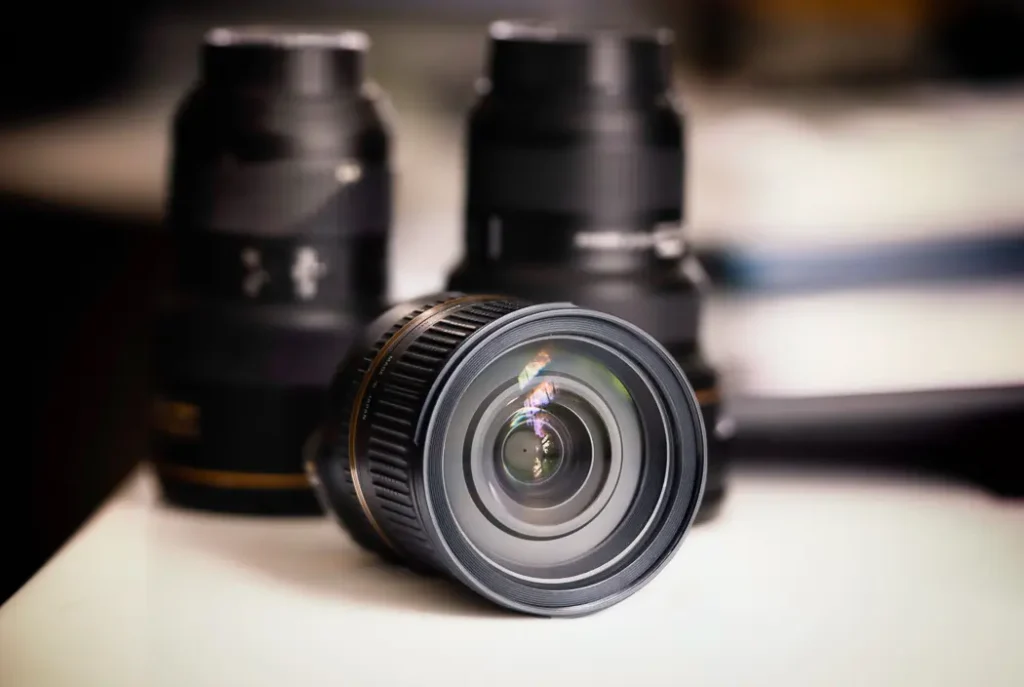
Tilt-shift lenses provide the highest level of control for professionals who want the most accurate architectural photography lens possible. They keep vertical lines straight and remove the “falling” effect commonly seen in tall buildings.
Examples:
- Canon TS-E 17mm f/4L
- Nikon PC NIKKOR 19mm f/4
- Laowa 15mm f/4.5 Shift
Ultra-Wide Lenses for Architecture
Interiors in Dubai often feature tight walkways, curved ceilings, or reflective materials. The best wide angle lens for architectural photography allows you to capture an entire room in one frame while keeping distortion manageable.
The Sigma 14–24mm f/2.8 DG DN Art is a strong example because it maintains clean lines on large façades and in wide interior shots.
Wide Zooms for Architecture Photography
Wide zooms cover everyday architectural needs. They allow quick framing adjustments and are suitable for façades, courtyards, and mixed indoor/outdoor shoots.
Standard Zooms for Architectural Shots
A standard zoom architectural photography lens helps photographers isolate details such as textures, signage, lighting features, and materials. The Canon RF 24–105mm f/4L IS USM is commonly used because it pairs well with interiors and exteriors.
Prime Lenses for Architectural Shots
Prime lenses deliver strong sharpness and color consistency. They are used for detailed architectural photography when precision matters more than flexibility.
Examples:
- Sony 20mm f/1.8 G
- Fujifilm 16mm f/1.4
- Nikon 35mm f/1.8 S
Key Factors When Choosing a Lens for Architectural Photography
Below are the practical factors to weigh, with an emphasis on architecture, not abstract optical theory.
Perspective & Distortion Control
In architectural work, distortion can ruin an otherwise perfect composition. When selecting an architectural photography lens, consider how much distortion correction the lens needs. Tilt-shift lenses or low-distortion ultra-wides keep lines straight without heavy editing.
Best Focal Lengths for Interiors & Exteriors
The best lens for interior architectural photography is usually in the 14–20mm range. For open areas and outdoor façades, the best lens for exterior architectural photography may be 20–35mm since these focal lengths avoid extreme stretching.
Sharpness & Optical Performance
Corner sharpness is more important in architecture than in many other fields because architectural lines often extend to the edges of the frame. The best lens for architectural work is one that stays sharp throughout the entire image.
Lens Ecosystem Compatibility
Before buying lenses, consider whether your camera brand offers the architectural photography best lens options you need long-term. Some brands specialize in wide angles, while others provide better tilt-shift support.
A Guide to Choosing an Architectural Lens Based on Budget
Selecting the right architectural photography lens typically comes down to how much you can reasonably invest. While the ideal setup includes tilt-shift lenses and low-distortion ultra-wides, not everyone needs a top-tier kit on day one. Below is a simple guide showing what’s realistic at each budget level:
Budget Architectural Lens Options
If you’re just getting into architecture photography, you don’t need an expensive architectural photography lens right away. Many affordable lenses deliver clean, usable results with only light correction.
Good budget picks:
- Canon: RF 16mm f/2.8, EF-S 10–18mm
- Nikon: Z 14–30mm f/4, DX 10–20mm
- Sony: 10–18mm f/4, Samyang 12mm
- Fujifilm: XF 10–24mm f/4
- Third-party: Tokina 11–16mm, Sigma 10–20mm
Best for: small interiors, real estate, and learning composition.
Mid-Range Architectural Lens Options
This level is ideal if you’re shooting more frequently or working with clients who expect cleaner images. These lenses offer better sharpness, less distortion, and sturdier construction.
Popular mid-range choices:
- Canon: RF 24–105mm f/4L IS USM (a reliable mid-range option with good sharpness and enough range for most architecture settings)
- Canon: RF 14–35mm f/4L
- Nikon: Z 24–70mm f/4, Z 14–30mm f/4
- Sony: 16–35mm f/4 G
- Fujifilm: XF 8–16mm f/2.8
- Third-party: Sigma 14–24mm f/2.8
Best for: hotel interiors, commercial buildings, and regular client work.
Professional-Level Architectural Lenses
At this stage, you’re producing work where precision really matters. Tilt-shift lenses become important here because they give you proper control over vertical lines.
To keep things simple, here are three compact kits depending on your needs:
1. The Practical Pro Kit (for working photographers)
Covers interior rooms, exterior façades, and detail shots without needing tilt-shift right away.
- One ultra-wide zoom
- One standard zoom
- One sharp wide prime
2. The Full Architecture Kit (for serious commercial work)
Gives you proper perspective control plus enough flexibility for mixed shooting days.
- One ultra-wide zoom
- One tilt-shift lens
- One standard zoom
3. The Expert Kit (for high-end editorial or architectural firms)
Ensures consistently clean lines and maximum sharpness in every situation
- Two tilt-shift lenses
- One ultra-wide prime
- One standard zoom
Bring Your Architectural Story to Life With Helio
If your project in Dubai needs photography that both flatters and accurately represents architecture, whether for real estate listings, corporate branding, or portfolio work, Helio Marketing and Advertising Agency combines local production experience with professional photographers and the right technical tools.
We plan shoots with lens selection, perspective control, and post-production in mind so your building appears exactly as it should: precise, compelling, and true to scale. Get in touch with Helio Agency to discuss shoots, lens choices, and full production support across Dubai and the UAE.
Summary
There’s no single best lens for architecture photography that fits every job. Tilt-shift lenses deliver the most faithful perspective control for façades and documentation; low-distortion ultra-wides like the Sigma 14–24mm or Laowa 12mm give practical coverage and excellent sharpness for interiors; and a robust standard zoom like the Canon RF 24–105mm is a dependable all-rounder on assignment.
The right choice depends on what you shoot (interior vs exterior), how much distortion you can correct in post, and how much you want to invest in optical correctness at capture. Use the brand-specific picks and budget kits above as a starting point, and if you want, Helio Agency can advise on the exact lenses and production workflow for a specific Dubai location or project.
FAQs