Jewelry photography is all about precision, control, and attention to detail. Capturing diamonds, gemstones, gold chains, or fine artisan pieces requires equipment that can handle reflective surfaces, tiny textures, and subtle color variations. In 2025, many jewelers, online sellers, and content creators are searching for a camera that can deliver consistent, high-quality results for close-up product photography.
While there is no single setup that works for every studio, choosing the right camera body plays an important role in achieving sharp images, accurate colors, and efficient workflows. From small boutique catalogs to large commercial collections, understanding which camera features matter most helps photographers make smarter decisions and avoid unnecessary trial and error.
This guide focuses on cameras that perform well in jewelry photography scenarios, covering different budgets, shooting styles, and use cases, so you can confidently narrow down your options before investing in gear or booking a professional studio setup.
What Makes a Camera Good for Jewelry Photography?
When evaluating cameras for jewelry photography, it’s important to focus on the features that directly affect image quality in close-up, detail-heavy scenes. Jewelry differs from fashion or lifestyle photography because even the smallest flaws or color shifts are noticeable. The following elements have the greatest impact on the final result.
Sensor Quality
Accurate color reproduction is essential when photographing gold, rose gold, diamonds, emeralds, or sapphires. Buyers rely heavily on images to judge tone and authenticity, so cameras known for reliable color science offer a clear advantage in professional jewelry shoots.
Color Accuracy
Accurate color reproduction is essential when photographing gold, rose gold, diamonds, emeralds, or sapphires. Buyers rely heavily on images to judge tone and authenticity, so cameras known for reliable color science offer a clear advantage in professional jewelry shoots.
Macro Capability
Macro performance is one of the most critical considerations in jewelry photography. Jewelry pieces are small, highly reflective, and full of intricate details such as gemstone facets, engravings, and metal textures.
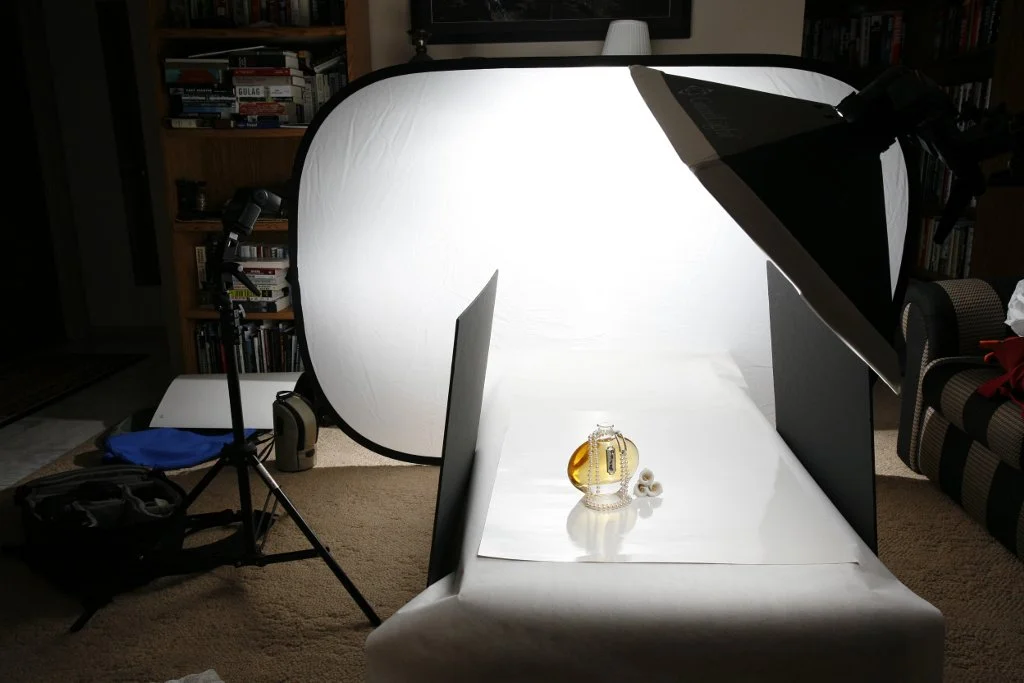
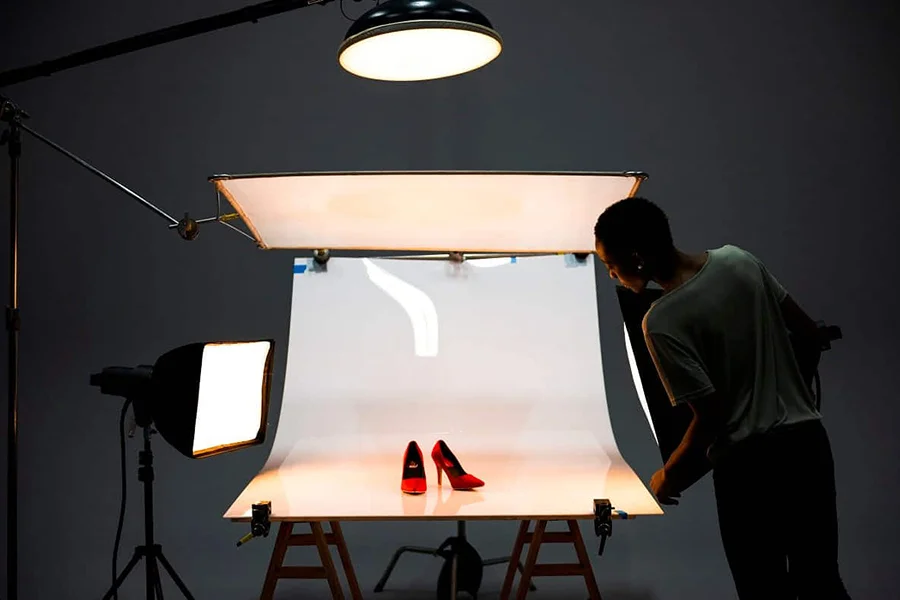
To capture these accurately, a camera must allow close focusing without losing sharpness, and the lens must have true macro capabilities. Using a macro lens with the correct focal length ensures that rings, pendants, and gemstones are photographed with clarity and minimal distortion. Equally important is the lighting setup: reflective surfaces and tiny details require controlled studio lighting to avoid glare and to preserve texture.
While camera body choice matters, the combination of a macro lens, precise focusing, and proper lighting determines the final quality of jewelry images. Ignoring any of these elements can compromise the shot, which is why macro performance cannot be considered in isolation, it is one part of a larger, carefully balanced photography workflow.
Stability & Workflow Features
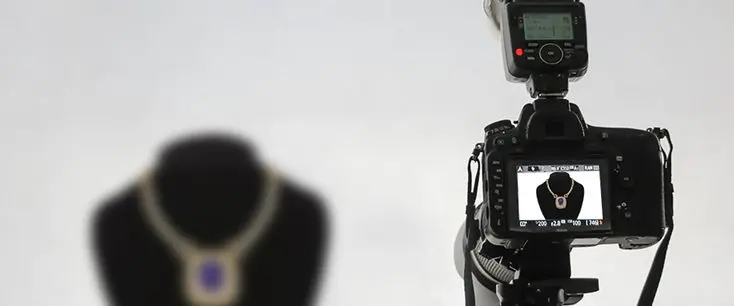
Stability matters more than it may seem. Features such as in-body stabilization, tethered shooting support, and dependable autofocus help maintain consistency across multiple shots. These tools are especially useful in studio environments where repeatability and efficiency are key.
RAW File Flexibility
RAW support is essential for jewelry photography because shiny metals cause exposure issues that need correction in editing.
Jewelry photographers require flexibility to adjust highlights, shadows, and color without compromising detail, which is why RAW is a non-negotiable feature in the category of the best camera for jewelry photography.
Comparing Camera Types for Jewelry Photography
Choosing the Best Camera for Jewelry Photography involves understanding different camera types and how they perform in close-up, detail-oriented settings. Mirrorless, DSLR, compact, and digital cameras each offer unique advantages.
Best Mirrorless Camera for Jewelry Photography
Mirrorless cameras dominate the professional jewelry photography market, and for good reason. Their lightweight bodies, high-resolution sensors, and accurate color reproduction make them ideal for capturing the fine details of rings, pendants, gemstones, and intricate engravings. For jewelers who need precision without bulky equipment, a mirrorless system often represents the perfect balance of convenience and performance.
Sony Alpha A7R III
The Sony A7R III is widely regarded as a top choice for the Best Camera for Jewelry Photography. Its exceptional resolution and dynamic range reveal every facet and reflection with stunning clarity.
When paired with a macro lens like the Sony 90mm, it becomes a powerhouse for crisp close-ups, highlighting textures, cuts, and tiny details that make jewelry shine. Professionals trust it for creating images that look both luxurious and true-to-life.
Canon EOS R5
Canon’s EOS R5 stands out for its combination of high resolution, dependable color reproduction, and in-body stabilization. These features help maintain sharpness and accurate tones when photographing gemstones and precious metals, making it a reliable choice for jewelers who prioritize visual consistency across catalogs and online stores.
Mirrorless cameras like these are valued for their speed, precision, and ability to deliver clean results even in low-light studio setups.
Best DSLR Camera for Jewelry Photography
Although mirrorless systems have become more common, DSLR cameras remain practical tools for jewelry photography, particularly for businesses working with limited budgets or existing lens collections.
Their optical viewfinders and mature ecosystems still appeal to many product photographers.
The Nikon D850 is well known among commercial photographers for its sharp output and strong dynamic range. Its compatibility with a wide range of macro lenses makes it suitable for detailed jewelry work.
The Canon 5D Mark IV is another trusted DSLR, appreciated for its natural color rendering. Jewelers who frequently photograph gold and gemstones often prefer its warm, balanced tones.
Best Compact & Point-and-Shoot Camera for Jewelry Photography
Compact cameras can be useful for small studios, social media teams, or businesses that need a lightweight setup for quick content creation. Many modern compact models offer respectable close-focusing abilities, making them suitable for basic jewelry shots.
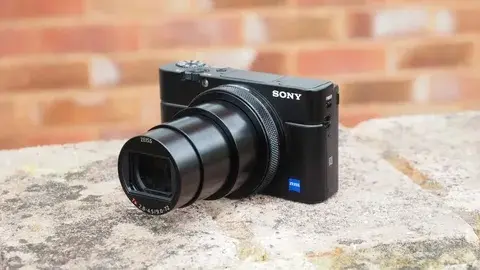
The Sony RX100 VII is often chosen for its sharp close-ups and ease of use, allowing small teams to produce clean images without complex setups.
Canon’s G7X Mark III is another accessible option, offering reliable color performance and fast shooting for simple product photography needs.
Best Digital Camera for Jewelry Photography
For brands that need straightforward workflows and minimal setup time, basic digital cameras can still serve practical purposes. While they are not designed for advanced studio work, they can handle simple close-up photography for entry-level content.
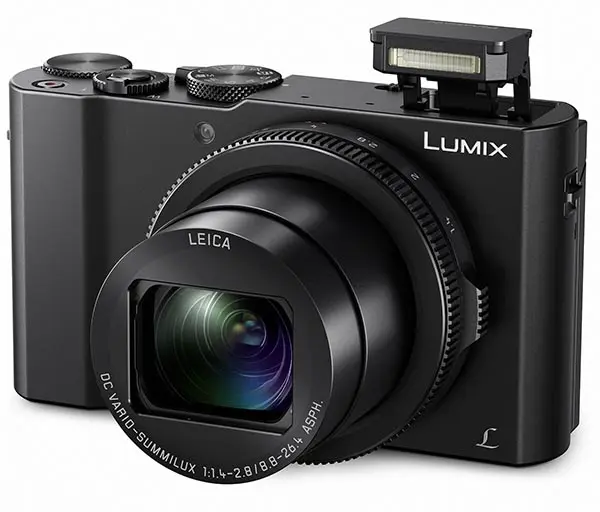
The Panasonic LX10 delivers fast autofocus and consistent results in controlled lighting conditions.
The Nikon A1000 offers an affordable solution for beginners who want clear macro-style images without technical complexity.
Best Cameras for Jewelry Photography by Use Case
For photographers looking for the Best Camera for Jewelry Photography with a balanced mix of resolution, color accuracy, and workflow efficiency, a few models consistently stand out.
The Canon EOS R5 is often selected for high-end jewelry shoots because it delivers excellent color fidelity and sharp detail, making it suitable for both gemstones and precious metals.
The Sony A7R III remains another strong option, offering impressive dynamic range and reliable performance in controlled studio environments.
These cameras work well for brands that need consistent results across large collections without sacrificing image quality.
Best Budget Camera for Jewelry Photography
Not every business needs a flagship body to produce clean, professional-looking jewelry images. For smaller studios, there are budget-friendly options that still qualify as a Best Camera for Jewelry Photography within their price range.
- The Nikon D5600 is commonly used with affordable macro lenses and performs well for catalog-style photography.
- Sony’s A6100 offers fast autofocus and sharp output, making it a practical choice for brands focused on social media and online storefronts.
Best Camera for Macro Jewelry & Fine Detail
Macro performance defines the Best Camera for Jewelry Photography when shooting rings, engravings, or gemstones. These cameras are engineered for micro-accuracy.
- Often chosen as the macro-focused Best Camera for Jewelry Photography, the A7R III produces stunning close-ups with perfect detail.
- Canon’s R5 is another macro powerhouse, making it a leading camera for close-up gemstone and metal photography.
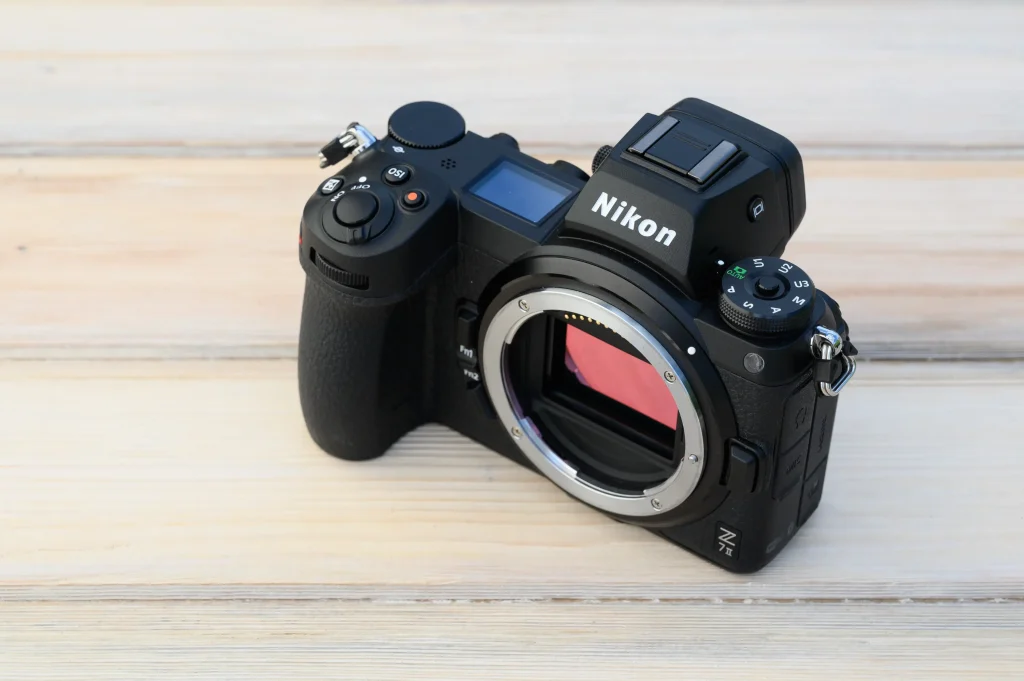
- The Nikon Z7 II, on the other hand, shines in situations where you need ultra-fine detail.
Best Camera for Gemstone Color Accuracy
Accurate color rendering is essential for gemstone sellers, where even slight shifts in tone can affect buyer trust. In this context, the Best Camera for Jewelry Photography is one that delivers consistent and reliable color.
- Canon’s EOS R5 is often favored for gemstone work due to Canon’s well-known color science.
- The Sony A7R III also performs strongly, offering faithful color reproduction combined with strong dynamic range.
Best Camera for Small Business Jewelry Workflow
Small businesses typically need a camera that balances image quality with speed and ease of use. For these teams, the Best Camera for Jewelry Photography is one that supports efficient daily shooting.
- The Sony A7 III is widely used in small studios for its dependable performance and fast workflow.
- Canon’s R6 offers strong image quality and usability for growing brands.
- Fujifilm’s X-T4 provides pleasing colors and intuitive controls, making it appealing for lifestyle-oriented jewelry brands.
Best Jewelry Cameras by Brand (Brand-Based Picks)
Brand preferences influence the Best Camera for Jewelry Photography, as some have stronger macro systems or better color science. Below we introduce the top camera options by brand.
- Canon cameras are widely praised for their color accuracy, making them a popular choice among jewelers who prioritize faithful gemstone and metal tones. Models like the EOS R5 consistently perform well in studio settings where color reliability is critical.
- Sony excels in sharpness and dynamic range, offering some of the Best cameras for Jewelry Photography choices for macro detail.
- Nikon cameras deliver excellent clarity and resolution, making them reliable tools for detailed product photography. Their compatibility with high-quality macro lenses, makes them suitable for precision-focused jewelry shoots.
- Fujifilm cameras offer vibrant color and a creative approach.
Choosing the Right Camera for Jewelry Photography (Workflow & Budget Guide)
Your ideal camera depends on your workflow style, budget, and brand identity. Each category suits different needs. Below are suggestions to help you pick the best one without breaking the bank.
- Mirrorless cameras are the Best Camera for Jewelry Photography for large inventories because they offer consistent detail and fast tethering.
- DSLRs remain practical budget solutions, especially for businesses that already own compatible lenses.
- High-end mirrorless bodies are amazing cameras because color accuracy is essential.
- Digital or compact cameras can support simple workflows where speed and convenience matter most.
Ready to Shoot Stunning Jewelry Photos?
For jewelers and creators who want consistent, high-quality results without managing complex setups, professional studio access can make a significant difference. After choosing the Best Camera for Jewelry Photography, having the right environment, lighting, and workflow tools is what truly elevates the final image.
Helio supports brands looking to streamline their product photography by offering access to optimized studio spaces and professional equipment. Instead of investing heavily in gear, teams can focus on producing clean, reliable visuals that reflect the quality of their craftsmanship.
Choosing the Best Camera for Jewelry Photography is an important step, but it’s only part of the process. Jewelry is reflective, detail-heavy, and unforgiving, which means success depends on combining the right tools with the right shooting conditions.
With a thoughtful setup, your images can stand out, build trust, and improve conversions—whether you’re running a jewelry boutique, managing an online store, or scaling a growing brand.
FAQs
What is the best camera for jewelry photography?
Canon EOS R5 and Sony A7R III are considered the Best Camera for Jewelry Photography for professionals.
Is DSLR or mirrorless better for jewelry photography?
Mirrorless systems usually provide the Best Camera for Jewelry Photography experience due to advanced sensors.
Do I need a macro camera for jewelry photos?
Yes, macro capability is essential in the for close-up clarity.
What is the best affordable camera for jewelry photography?
Canon M50 Mark II is a top affordable choice.
What camera works best for gemstone photography?
Canon EOS R5 is often named the Best Camera for gemstones.
Can I use a digital or point-and-shoot camera for jewelry photography?
Yes, for basic needs, they can serve as the Best Camera for Jewelry Photography for beginners.
Can I shoot jewelry with a smartphone?
You can, but it won’t replace the professional Camera for excellent results.
Do I need RAW files for jewelry photography?
Yes, shooting in RAW is essential for capturing maximum detail and accurate colors.