Getting the right portrait camera settings is a dynamic challenge for even the most experienced photographers. Anyone who has had shoots in Dubai knows how much the environment, lighting, and even camera brand can change the final look of your portrait. Indoor shoots in hotel lobbies or studios require different settings than outdoor sessions in the desert, and it becomes even more complex when you factor in how Canon, Nikon, Sony, and other brands handle color and skin tones.
Whether you are trying to figure out the best camera settings for portraits or how to handle portraits in different lighting situations, this guide to camera settings for portrait brings everything together. Lighting conditions, indoor or outdoor, the type of lenses, the camera’s autofocus system, and exposure settings.
Essential Camera Settings for Portrait Photography
When setting up your camera for stunning portraits, five portrait camera settings matter more than the rest: aperture, shutter speed, ISO, focus settings, and white balance. The better you understand each of them, the easier it becomes to adapt to whatever conditions your location throws at you.
Aperture Range
A wide aperture (such as f/1.4–f/2.8) is the best portrait photography camera settings as it helps isolate your subject from the background, allowing for a smooth, attractive blur. This is typically the look people expect from professional portrait sessions. In Dubai, where many outdoor locations include busy architectural backgrounds, aperture plays a key role in keeping attention on your subject rather than on the scenery.
Shutter Speed
For the best camera settings for portraits, you should usually keep shutter speed at 1/125s or faster, especially if your subject tends to move around or if you are photographing children. If you are working outdoors with brighter light, you might push the shutter higher to maintain exposure while keeping a wide aperture.
ISO
ISO determines how sensitive your camera is to light. In well-lit outdoor Dubai environments, ISO 100–200 is perfect. Indoors, you may need ISO 400–800, and sometimes higher if the lighting is dim. Just keep an eye on noise. Some brands, especially Sony, handle high ISO better than others.
Focus Settings (Especially Eye AF)
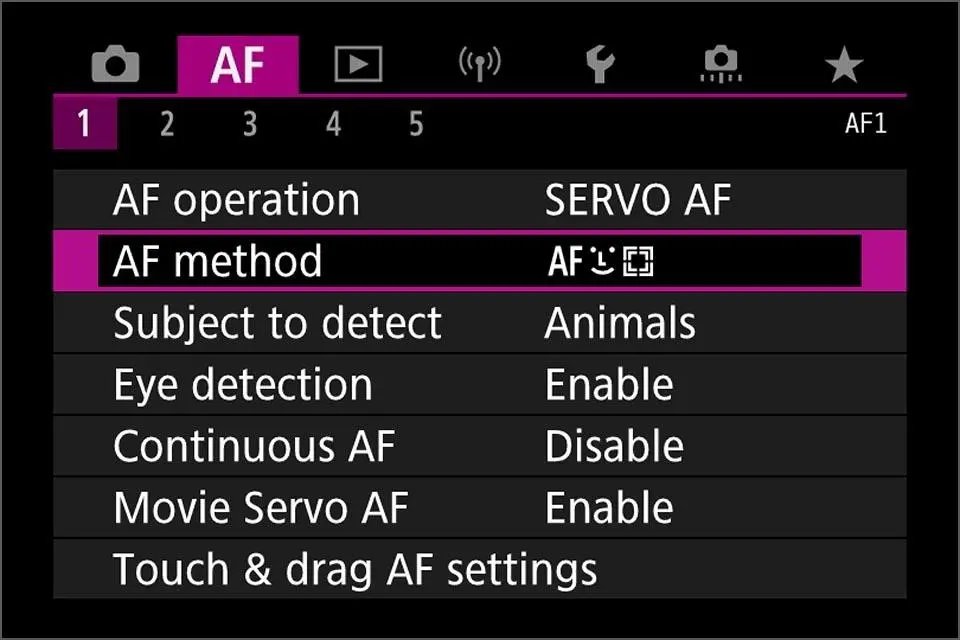
Modern cameras now include precise Eye AF modes, which are essential portrait camera settings. Eye AF ensures the focus lands exactly where it should, the subject’s eyes, rather than their nose, cheeks, or background elements.
White Balance
White balance affects how natural the colors appear. Indoor spaces in Dubai can carry warm tungsten tones, while outdoors often shifts between neutral and cool depending on the time of day. Using custom or Kelvin white balance helps keep skin tones looking real and flattering.
Recommended Portrait Settings Based on Conditions
| Lighting or Situation | Aperture Range | Shutter Speed | ISO | Focus Settings | White Balance |
| Outdoor sunny day | f/1.8–f/2.8 | 1/250–1/2000s | 100–200 | Eye AF | Daylight |
| Cloudy day | f/1.8–f/3.2 | 1/125–1/500s | 100–400 | Eye AF | Cloudy |
| Indoor warm lighting | f/1.4–f/2.0 | 1/125–1/250s | 400–800 | Eye AF | Tungsten or Kelvin 3200–3800 |
| Indoor soft studio lighting | f/2.8–f/5.6 | 1/125–1/200s | 100–200 | Eye AF | Custom/Flash |
| Sunset or golden hour | f/1.4–f/2.2 | 1/200–1/800s | 100–320 | Eye AF | Shade or Kelvin 4500–5200 |
| Snow or bright reflective surfaces | f/2.8–f/4 | 1/500–1/2000s | 100–200 | Eye AF | Daylight |
Camera Settings for Portrait Photography for Beginners
For anyone getting started with the best camera settings for portraits, one of the most helpful things is understanding the order in which you should adjust your settings. Many beginners try to set everything at once and end up confused, but there is a simple workflow that keeps everything under control.
Basic Workflow of Camera Settings For Portrait Photography
- First: Aperture
Choose your aperture depending on how blurry you want the background. For portraits, f/1.8–f/2.8 is usually ideal.
- Second: Shutter Speed
After choosing your aperture, set a shutter speed fast enough to avoid motion blur.
- Last: ISO
Adjust ISO only when needed, raising it gradually until you reach proper exposure.
Recommended Modes
- If you are a beginner: Aperture Priority Mode (A or AV)
This lets you focus on depth of field while the camera handles shutter speed.
- If you are experienced: Manual Mode
Gives you full control over every part of portrait camera settings including exposure.
This workflow is particularly useful when learning about the best camera settings for portrait photography because it trains your eye to understand how each exposure component affects the final image.
Camera Settings for Indoor Portraits
Shooting portraits indoors can be a little tricky because most indoor spaces have uneven, mixed, or low lighting. Still, with the right camera settings for portraits indoors, you can produce warm, flattering, studio-quality images.
Best Camera Settings For Shooting Portraits Indoor
These are the must use camera settings for portraits indoors:
- Aperture: f/1.8–f/2.8
- Shutter Speed: at least 1/125s
- ISO: 400–1600 depending on light
- Focus: Eye AF
- White Balance: Set manually to avoid color cast
Low-Light Challenges
Arabic majlis interiors, restaurants, or hotel spaces in Dubai rely heavily on warm ambient bulbs, which means you will sometimes need to raise ISO on your portrait camera settings. When possible, position your subject near a window or doorway where natural light enters.
Exposure Stability Indoors
The lighting indoors rarely stays consistent, so you may want to shoot in Manual Mode to find the best camera settings for portraits indoor, and to avoid sudden exposure changes when your subject moves slightly.
White Balance Issues
Indoor tungsten light can make skin look orange. Change White Balance to Tungsten or Kelvin mode around 3200–3800 for more natural tones.
Noise Considerations
If you raise ISO above 1600, you may start seeing noise with some brands. Sony handles noise better, while Canon and Nikon perform well at moderate ISO levels. Always test a few shots to find the right balance.
Best Camera Settings for Outdoor Portraits
Outdoor settings for portraits change dramatically depending on the weather. Light in Dubai is intense during most months, so each condition requires slightly different handling.
Below are breakdowns for four common outdoor portrait situations, each paired with the appropriate camera settings for stunning portraits.
Camera Settings for Portraits in Snow
While Dubai does not naturally offer snow outdoors, many photographers shoot in indoor snow parks or travel for snowy portrait sessions. Snow reflects a huge amount of light, so you need to avoid overexposure.
- Aperture: f/2.8–f/4
- Shutter Speed: 1/500–1/2000s
- ISO: 100–200
- White Balance: Daylight or custom
Extra Tip: Slightly increase exposure compensation (+0.3 to +0.7) so the snow doesn’t look grey.
Camera Settings for Portraits at Sunset
Sunset is one of the most flattering times in Dubai because the sunlight becomes soft and golden. Here are the best portrait camera settings for sunsets:
- Aperture: f/1.4–f/2.2 (This is one of the best times to use wide aperture lenses because the background glow creates a beautiful separation around your subject)
- Shutter Speed: 1/200–1/800s
- ISO: 100–320
- White Balance: Shade or Kelvin 4500–5200
Camera Settings for Portraits on Cloudy Days
Cloudy days produce soft, even lighting, ideal for portraits.
- Aperture: f/1.8–f/3.2
- Shutter Speed: 1/125–1/500s
- ISO: 100–400
- White Balance: Cloudy
Cloudy lighting reduces shadows, so your camera will pick up more detail in faces.
Camera Settings for Portraits on a Sunny Day
This is what Dubai photographers deal with most often: the portrait camera settings for extremely bright sun.
- Aperture: f/1.8–f/2.8
- Shutter Speed: 1/500–1/2000s
- ISO: 100
- White Balance: Daylight
Tip: Always try to place the subject in open shade or shoot with the sun behind them.
Camera Settings for Portraits by Camera Brand
Different camera brands handle color, focus, and menu settings differently, so it’s important to know how to adapt the best camera settings for portrait photography to your specific brand.
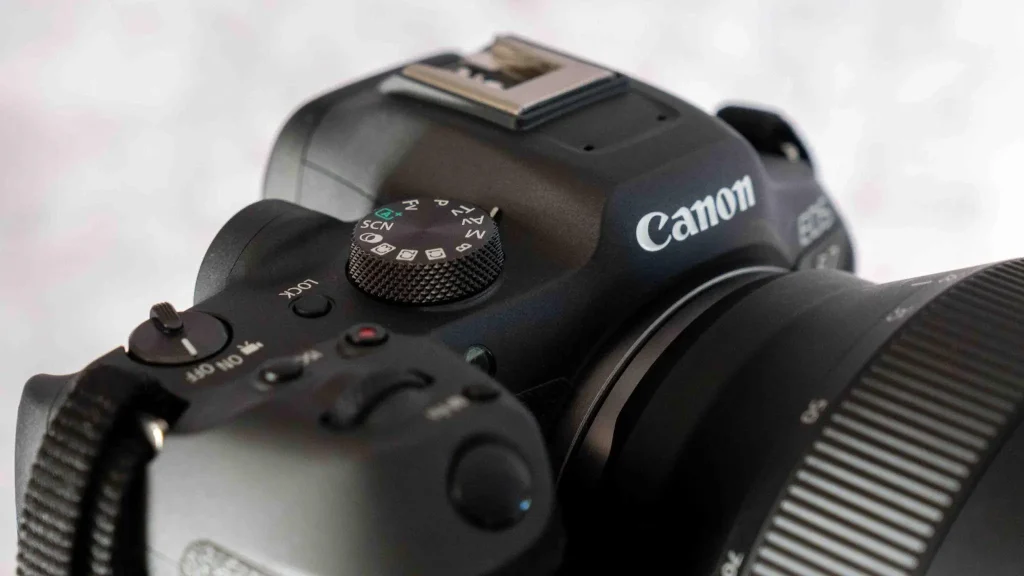
Best Settings For Portrait Photography Canon
Canon is well-known for warm, pleasant skin tones, which makes it excellent for portraits.
What to consider:
- Canon autofocus is smooth and reliable, especially on mirrorless models.
- Color strengths: Canon is excellent at rendering natural, warm skin tones.
- Common portrait-setting preferences: Many Canon users prefer slightly warmer white balance settings.
Best Canon Mirrorless for Portrait Photography
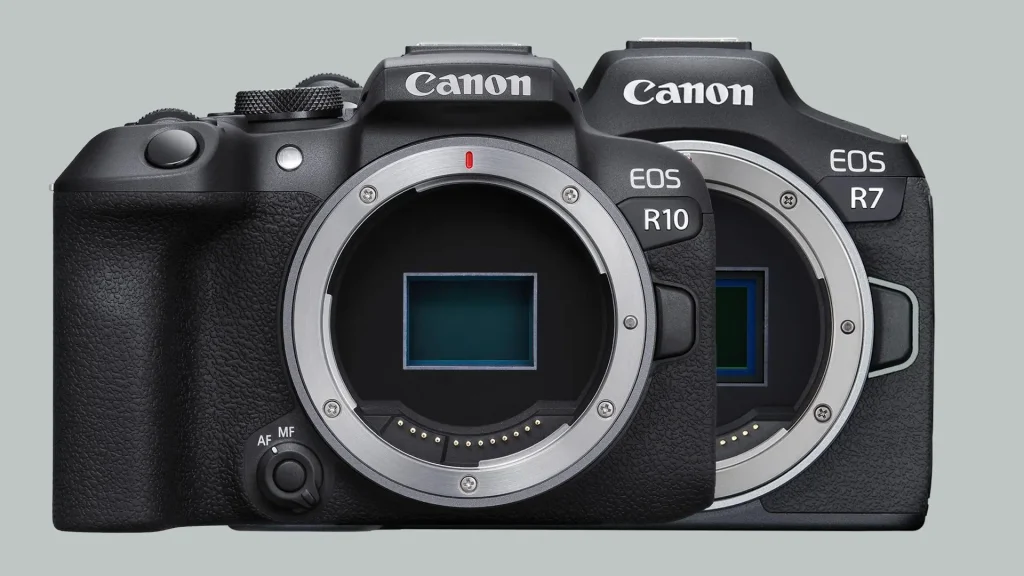
Canon EOS R5 / R6 / R7 / R8 / RP cameras offer outstanding Eye AF performance. Their color science is designed for portrait work, producing natural tones with minimal correction. Here are the settings to go along the best canon mirrorless camera for portrait photography:
- AF Method: “Face + Eye Detection AF”
- AF Servo: ON
- Aperture: f/1.4–f/2.2
- Shutter: 1/200–1/800s depending on light
- ISO: Auto ISO with max limit set to 3200
- White Balance: Auto White Balance W (warmer color bias
Best Canon DSLR Camera for Portrait Photography
Some photographers still prefer Canon DSLRs such as the 5D/6D/80D/90D. DSLR focus modes require you to select focus points manually. The optical viewfinder gives a different shooting experience but still excellent results.
-
- Focus Mode: One Shot
- AF Point Selection: Single-point AF (center point recommended)
- Recompose for eye focus
- Aperture: f/1.8–f/2.8
- Shutter: Minimum 1/160s
- ISO: 100–400 outdoors, 800–1600 indoors
Best Camera Settings For Portrait Photography Nikon
Nikon cameras are known for strong dynamic range and sharp lenses. Nikon focus modes allow flexible tracking options and its metering is accurate even in bright Dubai sun. If you are wondering what is the best setting for portrait photography on Nikon? Here are the best portrait camera settings for Nikon Z6, Z7, Z5, Z50, D750, D850, etc.
- Mode: Aperture Priority (A)
- Aperture: f/1.8–f/3.2
- Shutter Speed: 1/160–1/500s
- ISO: 100 outdoors, 400–800 indoors
- White Balance: Auto or Kelvin 4500–5200
- Metering: Matrix Metering
- AF Mode: AF-C + Eye Detection (Z-mirrorless); AF-S Single (DSLR)
Best Nikon Camera Settings For Outdoor Portraits
The best settings for portrait photography Nikon Z6/Z7/Z5 owners should consider:
- AF Mode: AF-C + Auto-Area AF + Eye Detection
- Aperture: f/2–f/2.8
- Shutter: 1/250–1/2000s depending on sun
- ISO: 100
- White Balance: Direct Sunlight
Best Settings for Portrait Photography Sony
Sony has become extremely popular for portrait work, especially because Sony’s Eye AF is one of the most precise available and Sony cameras handle high ISO extremely well.
With Sony, you can confidently raise ISO without losing quality, which helps a lot in indoor Dubai settings.
Sony Portrait Settings:
The best settings for portrait photo should look something like:
- Mode: Aperture Priority (A)
- Aperture: f/1.4–f/2.2
- Shutter Speed: 1/200–1/800s
- ISO: Auto ISO (max 1600) or ISO 100–200 outdoors
- White Balance: Auto White Balance Ambience or Kelvin 5000
- AF Mode: AF-C + Real-Time Eye AF
- Metering: Multi
- Creative Style: Portrait (for softer skin)
Work With Experts Who Understand Light and Portraits in Dubai
If you are based in Dubai and want portraits that truly show the subject in their best light,whether for branding, personal projects, fashion, or commercial work,consider working with a team that understands both the technical and artistic sides of portrait photography.
Helio Marketing and Advertising Agency provides full-service creative production, including professional photoshoots, visual branding, and campaign development tailored to the UAE market.
Get in touch with Helio today to see how expert photography can elevate your brand.
Summary
Finding the ideal portrait camera settings may take a bit of practice, but once you understand aperture, shutter speed, ISO, focus, and white balance,and how they work together,your portraits will quickly improve.
Whether you are looking for the best camera settings for portraits indoor, outdoors, shooting at sunset, or handling Dubai’s intense sunshine, these guidelines will help you produce clean, expressive images with accurate colors and sharp focus. Remember to always adjust your settings based on the actual lighting around you, not just the theory behind them.
FAQs
What camera settings should I use for portraits?
Choose the portrait camera settings for aperture first, as it shapes the image. Here are the basic settings to start:
- Aperture: f/1.8–f/2.8
- Shutter: 1/125s or faster
- ISO: As low as possible
- White balance: Daylight or custom
How do I set my camera for stunning portraits?
Focus on the eyes by using Eye AF.
- Aperture: f/1.4–f/2
- Shutter: 1/200s or faster
- ISO: 100–400
- White balance: Adjust for the lighting.
What camera setting is the best for portraits?
- Aperture: wide (f/1.4–f/2.8) *Use a wide aperture for soft background blur.
- Shutter: 1/125–1/500s
- ISO: 100–200 outdoors
- White balance: Daylight or Cloudy
How do I choose the best camera settings for portraits?
Always check your lighting first before adjusting settings. Start with the aperture, adjust shutter for motion, set ISO for correct exposure, and choose white balance that keeps skin tones correct.