Choosing the best professional camera in 2025 can feel overwhelming, even for photographers who’ve been shooting for years. New models show up every season, specs keep getting more complicated, and every brand promises to be “the best” for professionals. In reality, picking the right camera goes far beyond reading technical charts.
This guide is written for photographers who actually work with their gear: people who need a camera that feels reliable on long shooting days, responsive in high-pressure moments, and consistent across different environments.
By the end of this article, you’ll have a clear and practical understanding of the best professional cameras of 2025, whether you’re looking for the absolute top-tier option or a more budget-friendly model that still performs like a pro. You’ll also find a simple framework to help you choose a camera based on your workflow, whether you shoot weddings, commercial work, portraits, sports, or travel.
This guide is designed to help you make a decision that works not just on paper, but in your real day to day creative life.
Best Professional Cameras at a Glance (2025 Quick Picks)
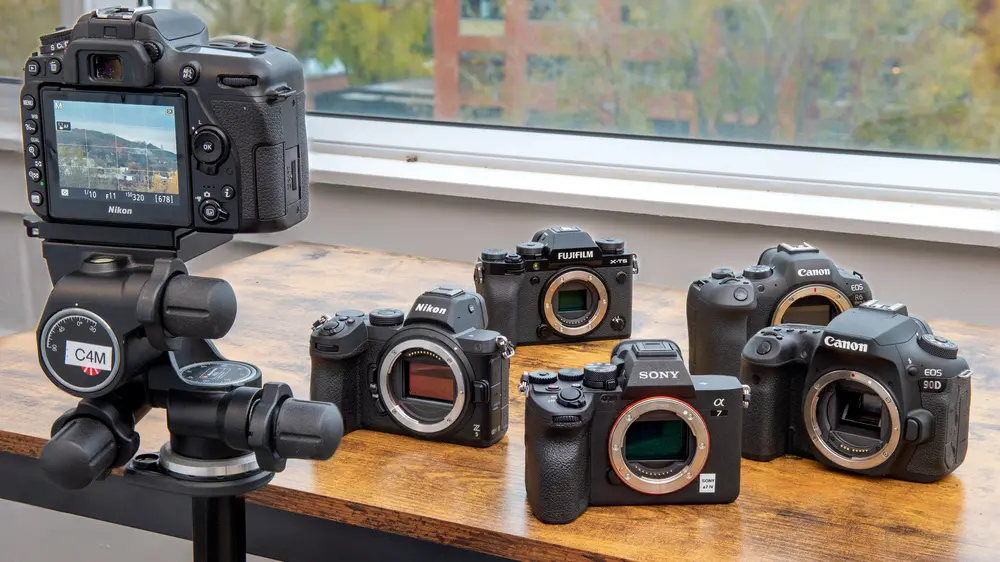
Here’s a quick look at some cameras professionals are relying on this year. These aren’t chosen just because the specs look impressive, each model earned its place through real world performance on demanding shoots.
If you want to know what photographers are actually using on long wedding days, fast paced commercial sets, or travel heavy assignments, this list is your best starting point.
| Camera Model | Label | Best For |
| Canon EOS R5 | Best Overall Professional Camera | Wedding, studio, hybrid creators |
| Nikon Z9 | Best for Sports & Wildlife | High-speed action and pro sports |
| Sony A1 | Best All-Round Hybrid | Stills & video, commercial work |
| Fujifilm GFX 100S | Best High-Resolution Medium Format | Studio, commercial, fashion photography |
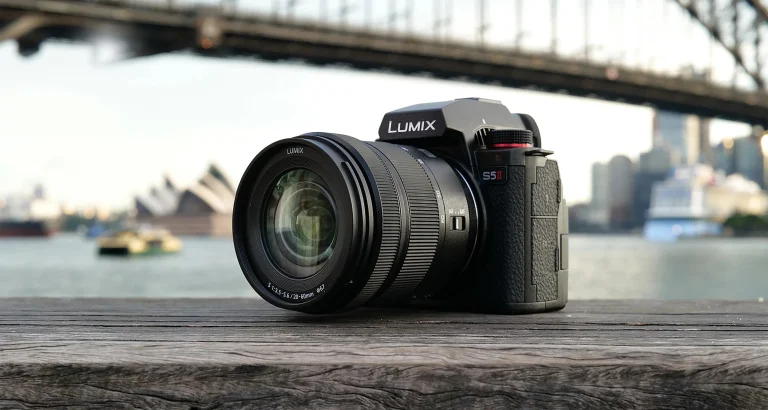
| Panasonic Lumix S5 | Best Video-Friendly Hybrid | Travel, social media creators, hybrid shooters |
| Canon EOS R6 Mark II | Budget-Friendly Professional | Event, portrait, small business photography |
| Nikon Z6 II | Mid-Tier All-Rounder | Weddings, lifestyle, and travel professionals |
Key Takeaways from Quick Picks
Full-frame cameras remain the top choice for most professionals because they handle low light beautifully, deliver consistent quality, and support a huge variety of lenses. If your work depends on accurate colors, clean details, and reliable performance, weddings, portraits, or commercial projects, these systems give you the most confidence.
Medium format cameras step in when image quality becomes the highest priority. They’re ideal for studio, fashion, and commercial campaigns where every pixel matters and the final output needs that unmistakable high end look.
Hybrid cameras continue to rise in demand, especially as more photographers blend stills and video. Having a camera that can switch roles smoothly saves time, makes workflows easier, and supports creators who need both in a single system.
Meanwhile, budget-friendly professional cameras give emerging photographers room to grow. They may not have every premium feature, but they deliver everything you need to enter the professional space without feeling limited.
How to Use This Quick Pick Table
Think of this table as a jumping-off point, not a final decision. Don’t just choose based on price, consider your main style of photography, the types of clients you work with, and any lenses or accessories you already have.
Every camera here has been tested for reliability, image quality, autofocus, and versatility, so you can confidently find the setup that fits your workflow and creative goals.
Our Testing & Selection Criteria for Professional Cameras in 2025
When we evaluate the best professional camera 2025, it’s not just about specs on paper. We focus on how these cameras perform in real-world professional settings. Here’s what matters most when choosing a camera that will handle demanding jobs reliably, day after day:
Real World Use for Professional Work
A camera’s usability for actual projects is key. Whether it’s weddings, commercial campaigns, sports, wildlife, studio, or travel photography, the best professional camera for photography needs to feel intuitive, responsive, and durable under pressure. Professionals often need a body that won’t slow them down in high-stakes shoots or unpredictable environments.
Image Quality
Image quality is the cornerstone of professional work. We assess:
- Dynamic range – Can the camera capture details in shadows and highlights?
- Low-light performance – Does it perform well in dimly lit environments?
- Resolution – Is it high enough for large prints, commercial campaigns, or cropping flexibility?
Whether you’re considering a high-end full-frame or a medium format, these aspects define the overall output quality that clients expect.
Autofocus and Speed
Speed and reliability are crucial for capturing decisive moments. We test:
- Autofocus tracking – For moving subjects, sports, or wildlife
- Burst rate – Number of frames per second in continuous shooting
- Focus accuracy – Reliability in varied lighting conditions
A camera with excellent autofocus and speed ensures fewer missed shots and smoother workflow, which is why many professionals lean toward Sony A1, Nikon Z9, or Canon EOS R5 for high-speed action.
Durability and Ergonomics
When we evaluate a professional camera, we don’t limit the testing to numbers or lab results. What truly matters is how a camera performs on real assignments, when the lighting shifts suddenly, the subject starts moving, or the moment demands split-second decisions. A professional camera should make you feel supported, not distracted.
So we focus on how each camera behaves in situations photographers face every day: responsiveness, accuracy, stability, and ease of use during long sessions. These real-world behaviors are what ultimately separate good cameras from reliable professional tools.
Lens Ecosystem, Accessories, and Rental Availability
Even the best camera body won’t reach its full potential without the right lenses and accessories. That’s why we look beyond the camera itself and consider the ecosystem around it.
We evaluate how broad the lens lineup is, including wide-angle, telephoto, and macro options. We also pay attention to professional accessories such as battery grips, flashes, and gimbals, which play a big role in real-world workflows. Another key factor is how easy it is to rent gear when needed, especially for professionals who take on short-term or large-scale projects.
A strong ecosystem adds flexibility and can save a lot of money over time. Brands like Canon and Nikon continue to dominate global rental networks, which makes them a safe and practical choice for working professionals who need fast access to backup gear or specialty lenses.
Price-to-Value for Professionals
Price is important, but value matters more. Instead of focusing only on the price tag, we look at how much a camera delivers in real professional use.
We consider return on investment for paid work, how reliable the camera remains under heavy workloads, and how well it holds up over years of use. A camera that performs consistently and lasts longer often offers better value than a cheaper option that needs replacing sooner.
Even more affordable professional models like the Canon EOS R6 Mark II or Nikon Z6 II can deliver excellent results. For many photographers, these cameras provide the right balance between cost, performance, and long-term reliability, without sacrificing core professional features.
Best High-End Professional Cameras for Working Pros
For photographers who depend on their gear for paid assignments, reliability matters just as much as image quality. High-end cameras are designed to handle pressure, long shooting days, and demanding clients without slowing you down.
In 2025, choosing a high-end professional camera isn’t just about chasing the highest specs. It’s about finding the right balance between image quality, autofocus performance, ergonomics, and system support. This section is for photographers who need a camera they can trust every single day, whether that’s for weddings, commercial work, sports, or studio photography.
High-End Professional Camera Bodies
Below are some of the most trusted cameras professionals use today, along with clear reasons why they stand out, and who they’re best suited for.
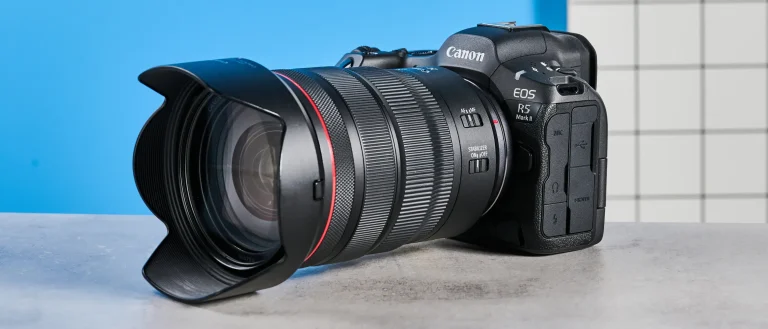
Canon EOS R5
- Best for: Hybrid creators, wedding photographers, studio professionals.
- Why it shines: Incredible 45MP full-frame sensor, excellent autofocus, reliable burst rate, and robust lens ecosystem. Handles both stills and 8K video with confidence.
- Trade-offs: Can overheat in long 8K video sessions; lenses can be pricey.
- Choose this if: You need a versatile body for high-res stills and video projects.
- Choose not this if: You rarely shoot video or need a smaller, lighter setup.
Nikon Z9
- Best for: Sports, wildlife, and action photographers.
- Why it shines: Outstanding autofocus tracking, 20fps RAW burst, durable build, and full-frame mirrorless performance. Perfect for fast-moving subjects.
- Trade-offs: Medium-to-heavy body, expensive lenses for specialized work.
- Choose this if: You shoot high-speed or action-heavy assignments and need reliability.
- Choose not this if: Studio or travel photography is your main focus, you might prefer something lighter.
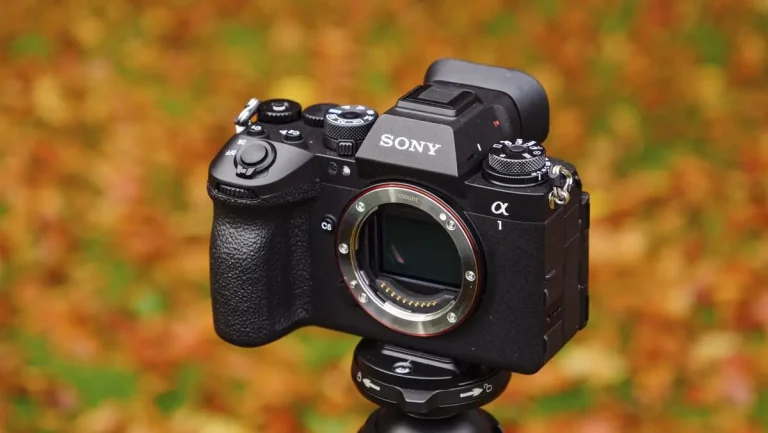
Sony A1
- Best for: All-round professionals who shoot both stills and high-end video.
- Why it shines: 50MP sensor, 30fps burst, unmatched autofocus performance, and strong video capabilities. Third-party lens support is excellent.
- Trade-offs: Pricey, menu system can be complex for beginners.
- Choose this if: You want a true hybrid workhorse for commercial projects.
- Choose not this if: Budget is tight, or you rarely need video features.
Note: Canon EOS R5 is slightly more affordable compared to these ultra high-end bodies, offering a strong hybrid option for professionals who need both stills and video without going to the top-tier price range.
Highest Image Quality Cameras for Professional Photography
Some photographers care more about image quality than speed. This is especially true in studio, fashion, commercial, and landscape photography, where detail, color, and dynamic range are the top priorities.
Fujifilm GFX 100S (Medium Format)
- Who it’s for: Studio and commercial photographers who demand the ultimate image quality.
- Strengths: 102MP medium format sensor, incredible color depth, smooth tonal transitions, great for large prints.
- Trade-offs: Slower autofocus for moving subjects, heavier system, and limited burst rate.
- Choose this if: Your work is primarily stills-focused with studio control.
- Choose not this if: You need high-speed action shooting or lightweight portability.
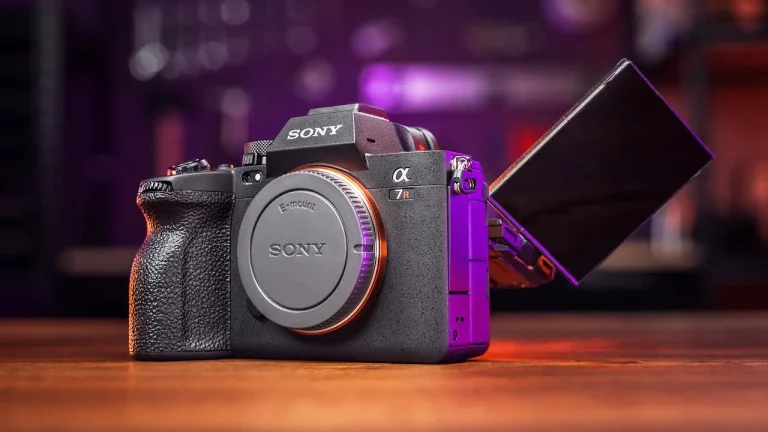
Sony A7R V (High-Resolution Full-Frame)
- Who it’s for: Professionals who want extremely detailed full-frame images, including commercial and landscape photographers.
- Strengths: 61MP resolution, strong dynamic range, excellent low-light performance.
- Trade-offs: High-resolution files require more storage and processing power; slower burst for action.
- Choose this if: Your main goal is image quality and flexibility for large prints or heavy post-processing.
Canon EOS R5 (High-Resolution Full-Frame Alternative)
- Who it’s for: Hybrid professionals who need detailed stills and video in one body
The EOS R5 strikes a balance between resolution and speed. Its 45MP sensor produces detailed images, while advanced autofocus and video features support hybrid workflows.
- Trade-offs: Heat management during long video sessions and higher lens costs.
- Choose this if: You want strong resolution without giving up hybrid capabilities.
Key Takeaways for High-End Professionals
High-end cameras are built for photographers who work under pressure. If speed, reliability, and flexibility matter in your daily assignments, investing in a professional body makes a real difference. These cameras are designed to perform consistently, even in fast-paced or demanding environments.
When image quality is your top priority, high-resolution or medium format cameras stand out. They deliver richer detail, smoother tones, and files that hold up beautifully for large prints and commercial use.
Hybrid cameras are no longer a “nice to have.” For many professionals, the ability to shoot both stills and video with confidence has become essential, especially as client expectations continue to evolve.
Most importantly, your camera should fit the way you work. Studio, sports, commercial, and hybrid projects all place different demands on your gear, and the best results come from choosing a camera that matches your primary workflow.
Not every professional photographer works the same way, and there’s no one-size-fits-all solution. To truly choose the best professional camera for photography, it’s crucial to align the camera’s strengths with the type of work you do most. In the sections below, we break this down by photography style, with recommended options across different budgets and workflow needs.
Wedding & Event Photography
Wedding and event photography demands a camera you can trust without hesitation. Moments happen once, often in challenging conditions, and there’s rarely time for second chances. Lighting can change quickly, from dark indoor receptions to bright outdoor ceremonies, and your camera needs to keep up.
Speed and reliability are critical. A fast, accurate autofocus system helps you capture genuine moments as they unfold. Strong low-light performance allows you to work confidently without pushing noise too far.
Ergonomics also matter more than many people realize, especially during long wedding days where comfort affects focus and consistency.
Just as important is access to dependable lenses. Wedding photographers rely on a mix of portraits, wide-angle shots, and telephoto reach, and a flexible lens lineup makes it easier to adapt to every part of the day without breaking your workflow.
Recommended Cameras
| Camera | Price Tier | Why It Works |
| Canon EOS R5 | High-End | Full-frame 45MP, amazing autofocus, great in low light |
| Nikon Z6 II | Mid-Tier | Reliable, lighter body, strong low-light performance |
| Canon EOS R6 Mark II | Budget-Friendly | Full-frame, excellent autofocus, affordable for emerging pros |
Pair your camera with fast prime lenses (f/1.2–f/2.8) for intimate shots and low-light events.
Sports & Wildlife Photography
If you’re shooting fast-moving subjects, athletes, wildlife, or action, you need speed above all else. The burst rate, autofocus tracking, and buffer size are critical.
Key Requirements:
- Extremely fast continuous shooting (frames per second)
- Accurate subject tracking even in chaotic scenes
- Durable and weather-sealed body for outdoor conditions
- Telephoto lens support for distant subjects
Recommended Cameras
| Camera | Price Tier | Why It Works |
| Nikon Z9 | High-End | 20fps RAW burst, industry-leading autofocus tracking |
| Sony A1 | High-End | 30fps, hybrid for both stills and video, perfect for pro sports |
| Canon EOS R5 | Mid-High | Reliable autofocus, solid for hybrid pros |
Use fast memory cards and pre-focus techniques to avoid missing decisive moments.
Studio, Portrait & Commercial Work
Studio and commercial photographers prioritize absolute image quality, color accuracy, and resolution over speed. Controlled lighting allows you to use cameras with high megapixels and medium format sensors.
Key Requirements:
- High resolution for print and post-processing flexibility
- Strong dynamic range and color depth
- Medium format or high-resolution full-frame sensors
Recommended Cameras
| Camera | Price Tier | Why It Works |
| Fujifilm GFX 100S | High-End | 102MP medium format sensor, perfect for large prints |
| Sony A7R V | High-End | 61MP full-frame, excellent dynamic range |
| Canon EOS R5 | Mid-High | 45MP, hybrid, great for commercial clients |
For product photography, pair high-res bodies with prime lenses for maximum detail.
Travel, Street & Documentary Photography
Travel and street photographers need lightweight, versatile cameras that can handle different environments while being easy to carry all day. Hybrid capabilities are useful if you also shoot video for social media or documentaries.
Key Requirements:
- Compact and lightweight body
- Versatile zoom lenses for different scenarios
- Solid autofocus for spontaneous moments
- Hybrid capabilities for video content
Recommended Cameras
| Camera | Price Tier | Why It Works |
| Sony A7C | Mid-Tier | Compact full-frame, great for travel and street photography |
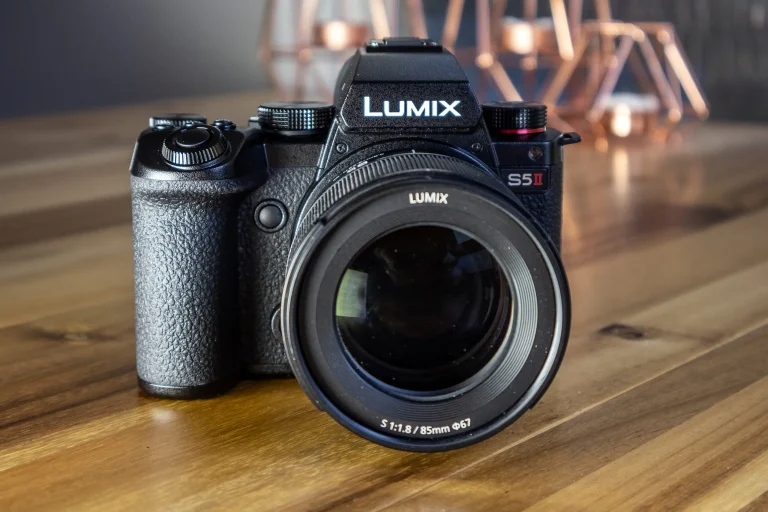
| Panasonic Lumix S5 | Mid-Tier | Lightweight hybrid, strong video performance |
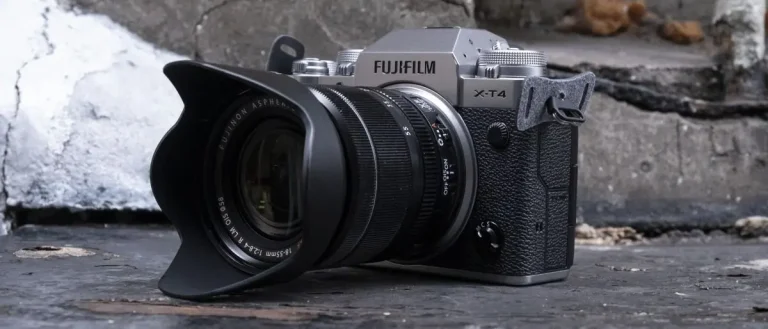
| Fujifilm X-T4 | Mid-Tier | APS-C, excellent color, and video hybrid capabilities |
Always carry a prime lens and a zoom lens for maximum flexibility during travel shoots.
Hybrid Creators (Stills + Video)
For hybrid creators, commercial content, social media campaigns, or client videos, cameras need to excel at both stills and video. Fast autofocus, in-body stabilization, and high-quality video codecs are critical.
Key Requirements:
- Reliable autofocus for moving subjects in both stills and video
- In-body image stabilization for handheld shooting
- Strong lens ecosystem for video (wide, prime, telephoto)
- High-resolution stills for commercial use
Recommended Cameras
| Camera | Price Tier | Why It Works |
| Sony A1 | High-End | 50MP stills, 8K video, hybrid powerhouse |
| Canon EOS R5 | High-End | 45MP stills, 8K video, versatile lens options |
| Panasonic Lumix S5 | Mid-Tier | Lightweight, solid video, affordable for emerging hybrid pros |
Pair these bodies with a gimbal or tripod for professional video stability.
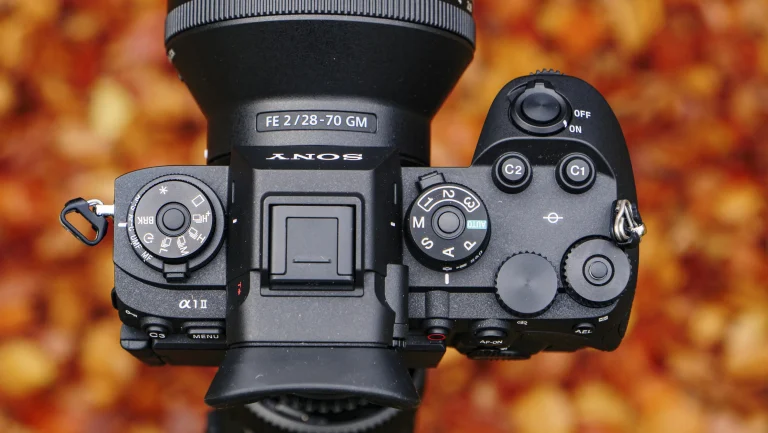
Sony A1, The Ultimate All-Around Flagship
The Sony A1 is what happens when a camera is built without compromises. It’s designed for photographers who want one body that can handle almost anything. Studio work, high-end commercial shoots, weddings, wildlife, sports, and even 8K video all feel equally at home here.
Its 50.1MP sensor delivers sharp, flexible files that hold up beautifully in large prints and heavy post-processing. What truly sets the A1 apart, though, is speed. Shooting up to 30 frames per second with full autofocus and auto exposure makes it incredibly capable for fast-moving subjects. From birds in flight to fleeting wedding moments, the camera feels ready before you are.
Autofocus performance is confident and intelligent, even in challenging light. For hybrid creators, the 8K video options, advanced color profiles, and strong low-light performance create a smooth, professional workflow.
It’s undeniably expensive. But if you want one camera that will stay relevant, powerful, and versatile for many years to come, the Sony A1 stands as a long-term investment for professionals who need absolute reliability and versatility in every shooting scenario.
Canon EOS R5, High Resolution, Beautiful Color, Total Balance
The Canon EOS R5 earned its reputation quickly, and for good reason. It offers a rare balance between resolution, autofocus, color science, and usability. The 45MP sensor is a great fit for portraits, weddings, editorial work, products, and fine-art photography. Files are clean, rich, and flexible, especially when working with skin tones or complex lighting.
Canon’s color science remains one of its biggest strengths. Skin tones look natural and pleasing straight out of the camera, which is why so many portrait and wedding photographers stay loyal to the system.
The Dual Pixel CMOS AF II system locks onto eyes and faces with impressive reliability, even when subjects move unpredictably. Add up to 8 stops of in-body stabilization, and handheld shooting in low light becomes far less stressful.
If you already own Canon lenses, the R5 feels like a natural step into mirrorless. The jump in sharpness, dynamic range, and overall responsiveness is immediately noticeable.
Nikon Z9, Built for Fast, Demanding, High-Pressure Work
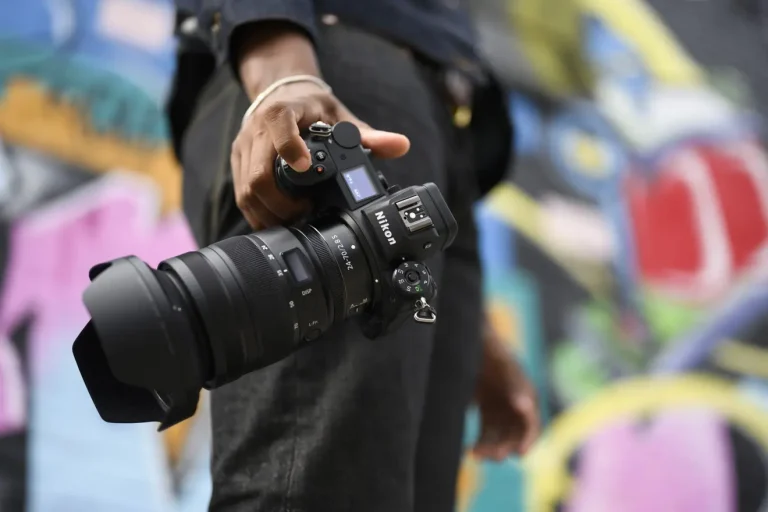
The Nikon Z9 is designed for photographers who work in demanding conditions. Sports shooters, wildlife professionals, and photojournalists will feel right at home with this camera. It’s built to handle dust, weather, and nonstop action without hesitation.
The integrated body feels solid and familiar, much like Nikon’s legendary professional DSLRs. Inside, the 45.7MP stacked sensor and EXPEED 7 processor deliver excellent detail and strong dynamic range, even in difficult lighting.
One of the Z9’s defining features is its shutter-free design. By removing the mechanical shutter entirely, Nikon created a camera that shoots silently, extremely fast, and without long-term shutter wear. Subject tracking is outstanding, especially for unpredictable movement in sports and wildlife photography.
Video shooters aren’t left behind either. Internal 8K Pro Res RAW recording turns the Z9 into a serious cinema tool without the need for external recorders.
If your work depends on reliability under pressure, where missing a shot simply isn’t acceptable, the Nikon Z9 is one of the most dependable options available.
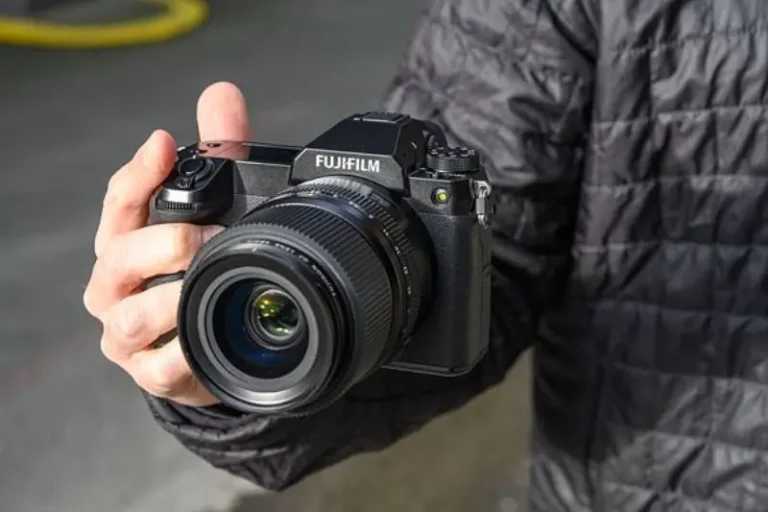
Fujifilm GFX100 II, Medium Format Power for True Image Purists
The Fujifilm GFX100 II is more than a camera. It’s a creative experience built for photographers who care deeply about depth, tonality, and subtle detail. The 102MP medium-format sensor delivers smooth highlights, wide dynamic range, and a three-dimensional look that full-frame systems struggle to match.
Medium format is often associated with slow autofocus and studio-only workflows. The GFX100 II challenges that idea. Autofocus is noticeably faster than previous generations, making it usable beyond controlled environments. Outdoor shoots, natural light, and even moderate subject movement are all possible.
Fujifilm’s color science is another major draw. Film simulations add character and emotion to images, giving them a cinematic, organic feel rather than a clinical look.
This isn’t the right tool for sports or fast-paced events. But for commercial, fashion, portrait, and fine-art photographers who want the highest image quality without stepping into ultra-expensive systems, the GFX100 II is one of the most compelling options on the market.
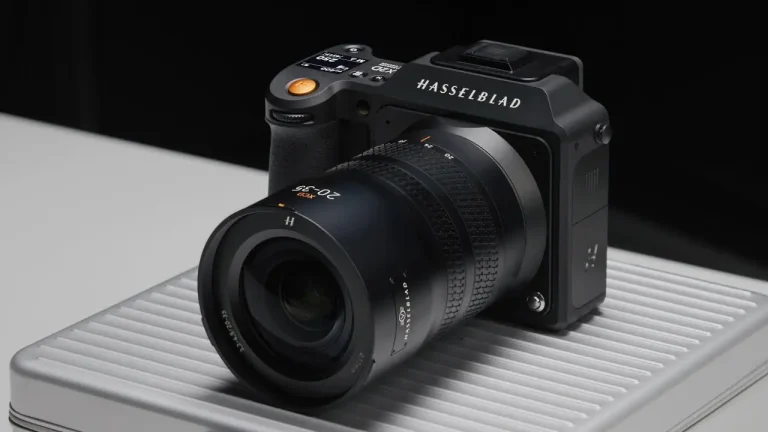
Hasselblad X2D 100C, The King of Color and the Luxury Choice
The Hasselblad X2D occupies a unique space in professional photography. It’s not just a high-end camera; it’s a luxury tool designed for photographers who value color accuracy, tonality, and a refined shooting experience above all else.
Its 100MP medium format sensor produces files with a painterly quality. Skin tones are soft and natural, highlights transition smoothly, and color accuracy is exceptional. This is why fashion, beauty, and high-end commercial photographers continue to trust Hasselblad for premium work.
The shooting experience is intentionally minimal. Menus are clean, controls feel deliberate, and the camera encourages a slower, more thoughtful approach. Autofocus and burst speed are not its strengths, but that’s by design.
If your work revolves around fine-art portraits, editorial projects, luxury branding, or any scenario where color and tonal depth matter more than speed, the X2D is one of the most rewarding cameras you can own.
Sony A7R V, Resolution and Intelligence in the Real World
The Sony A7R V is a favorite among professionals who want extreme resolution without giving up autofocus reliability or everyday usability. Its 61MP full-frame sensor produces highly detailed files that work beautifully for commercial projects, portraits, landscapes, and any situation where cropping flexibility matters.
What really separates the A7R V from other high-resolution cameras is its AI-powered autofocus. Sony completely reworked subject recognition using machine learning. The camera can track people, animals, birds, cars, insects, and select objects with impressive accuracy. In practice, it feels less like a tool you manage and more like one that understands what you’re trying to capture.
Stabilization has also improved. With up to 8 stops of IBIS, handheld shooting becomes far more reliable, even at slower shutter speeds. Updated color science adds a more natural, refined look to files, reducing the need for heavy correction in post.
The A7R V is not a video-first camera, but it handles occasional video work well. For photographers who prioritize detail, dynamic range, and dependable autofocus across different shooting conditions, it offers a high-end experience without stepping into flagship pricing.
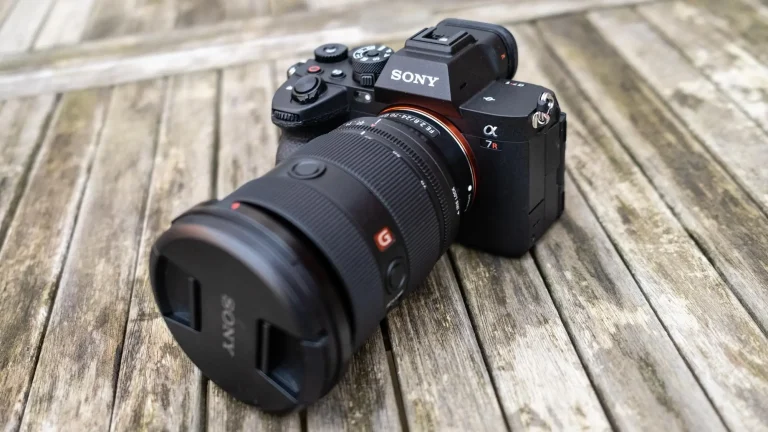
Canon EOS R3, Built for Speed, Low Light, and Action
The Canon EOS R3 is designed for photographers who live in fast-moving environments. Sports, wildlife, events, and action photography are where this camera truly shines. It’s built to react instantly and stay locked onto subjects when moments unfold without warning.
The 24MP stacked sensor may seem modest on paper, but it’s optimized for speed, low-light performance, and efficient workflow. Files are quick to handle, and image quality remains excellent in difficult lighting. Autofocus performance is one of the R3’s biggest strengths. Eye and face tracking stay locked even when subjects move toward the camera, change direction suddenly, or appear in dim conditions.
Canon’s ergonomics play a big role here. The camera feels solid and well-balanced, especially during long shoots. The integrated grip improves handling and battery life, making it a true professional body built for extended use.
This isn’t the right choice for photographers who need ultra-high resolution or large-scale commercial prints. But if your priority is speed, reliability, and a camera that stays out of your way while you focus on the moment, the R3 is one of Canon’s most dependable tools.
Highest Image Quality Cameras for Professional Photography (2025)
When photographers talk about the highest image quality, they’re usually looking beyond speed or convenience. This category is about tonal depth, smooth highlight transitions, accurate color, and fine detail that holds up under close inspection.
These cameras are built for professionals whose images end up on gallery walls, large-format prints, luxury campaigns, and high-end commercial projects. Every pixel matters here. Dynamic range, color fidelity, and micro-contrast are just as important as sharpness.
In the next section, we take a practical, human-focused look at the cameras that deliver the very best image quality in 2025, along with clear guidance on who each one is really for.
Fujifilm GFX100 II, Best Overall Medium Format Camera for Maximum Image Quality
The GFX100 II delivers the kind of files that immediately stand out. The level of detail is almost surreal, not in a clinical or digital way, but in a soft, organic, high-depth manner that medium format is famous for. For photographers working in portraiture, fashion, editorial, product advertising, luxury branding, and fine-art, this camera produces images with a depth that full-frame simply cannot replicate.
Its 102MP sensor offers enormous dynamic range, which means retaining rich detail in shadows and highlights, perfect for dramatic lighting setups or bright outdoor shoots. Skin tones look smooth and dimensional, while textures like fabric, jewelry, and hair display an elegant, natural realism.
Even though it’s still a medium-format system at heart, the GFX100 II has become surprisingly versatile: faster autofocus, better responsiveness, and improved stabilization mean you can take it outside the studio without fear. The only areas you may feel some limitations are fast-moving subjects and occasions where you need rapid burst shooting.
Hasselblad X2D 100C, Best Color Science and Luxury Build Quality
If your work revolves around color, tonality, and mood, the Hasselblad X2D is unmatched. Many photographers describe its files as “beautiful right out of the camera,” because the color rendering feels so natural, soft, and refined that minimal post-processing is required.
For genres like beauty, fashion, studio portraiture, fine art, architecture, and luxury campaigns, where perfect color and smooth tonal transitions matter more than raw speed, the X2D is one of the highest-quality cameras ever produced.
Its 100MP medium-format sensor creates images with painterly softness paired with flawless detail. The build quality is also something special, shooting with a Hasselblad genuinely feels inspiring, almost like using a beautifully crafted instrument rather than a typical digital camera.
But this camera is slow by design. Autofocus is perfectly fine for studio work, but not suitable for action. Burst rates are modest. And the ecosystem is more limited and expensive than Fujifilm.
Sony A7R V, Best High-Resolution Full-Frame Camera for Versatile Professionals
The A7R V isn’t medium format, but its 61MP full-frame sensor produces incredibly detailed images that hold up beautifully against larger formats. For many real-world professionals, this is the ideal balance between resolution, speed, autofocus intelligence, and system flexibility.
Where the A7R V really shines is in commercial photography, landscape, editorial work, high-end portraiture, architecture, and product photography. You get massive files for print, excellent dynamic range, rich color performance, and Sony’s class-leading autofocus for moving subjects.
Its AI-assisted subject detection makes the process smoother and more predictable, this camera knows what you’re trying to focus on. And because it’s full-frame, you get more manageable file sizes, faster burst shooting, and greater flexibility than medium format.
Canon EOS R5, Best High-End Hybrid Camera for Resolution, Quality, and Versatility
The Canon EOS R5 has earned massive respect in the professional world because it feels like a true all-rounder: 45MP resolution, great color science, excellent autofocus, reliable low-light performance, and class-leading IBIS.
For photographers who regularly switch between stills and high-quality video, the R5 is one of the best professional cameras in the world, delivering both high-resolution photos and strong 4K/8K video.
It might not match the medium-format depth of the GFX100 II or the color science of the Hasselblad X2D, but it offers a more flexible, fast, reliable workflow, especially valuable for wedding photographers, event shooters, hybrid creators, and commercial professionals.
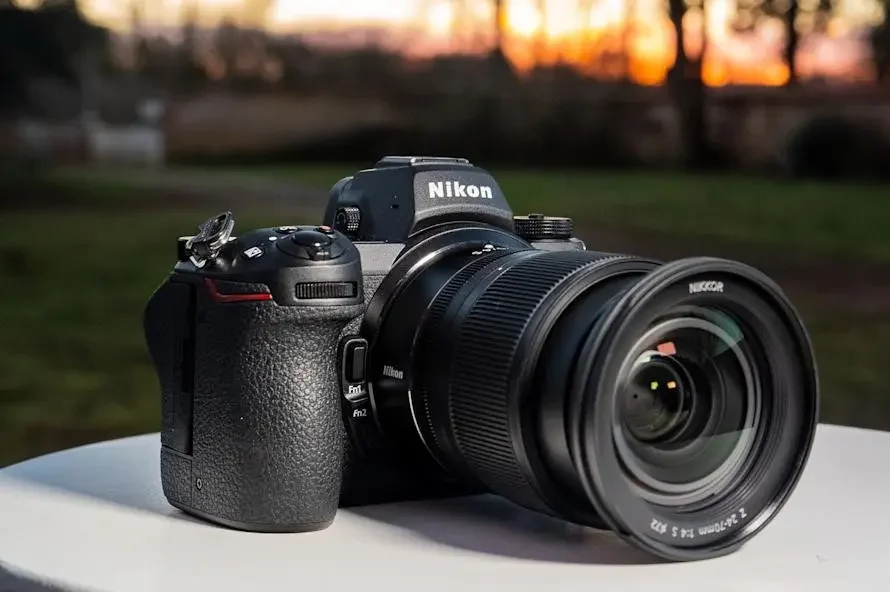
Nikon Z7 II, A High-Value Full-Frame Option for Studio and Landscape Work
The Nikon Z7 II is a perfect choice for photographers who want excellent high-resolution performance without paying flagship prices. Its 45.7MP sensor produces crisp, clean images with strong dynamic range, especially ideal for studio, landscape, and editorial work.
While autofocus isn’t as advanced as Sony or Canon’s top-tier bodies, it’s more than capable for slower-paced professional shooting. Nikon’s Z lenses, especially the S-line, are some of the sharpest lenses available, and the Z7 II takes full advantage of them.
This camera is all about image quality, detail, and clean files, wrapped in one of the best handling systems in the industry.
Best Professional Cameras by Photography Style (2025)
Choosing the best professional camera gets much simpler once you focus on the type of photography you actually do. There’s no such thing as one “perfect” camera for everyone. What matters is finding a camera that fits your style, your subjects, and the way you work.
Below, you’ll find recommendations organized by major professional photography fields. Each category includes several solid options across different price ranges. Some are high-end workhorses built for demanding jobs, while others are smart, budget-friendly professional cameras that still deliver reliable results. This way, both newcomers and experienced professionals can find a setup that makes sense.
The goal here is clarity and practicality. Everything is written to help you compare options easily, understand real differences, and choose a camera with confidence, without getting lost in technical jargon or marketing noise.
Wedding & Event Photography, Quick Recommendations
Choosing the best professional camera gets much simpler once you focus on the type of photography you actually do. There’s no such thing as one “perfect” camera for everyone. What matters is finding a camera that fits your style, your subjects, and the way you work.
Below, you’ll find recommendations organized by major professional photography fields. Each category includes several solid options across different price ranges. Some are high-end workhorses built for demanding jobs, while others are smart, budget-friendly professional cameras that still deliver reliable results. This way, both newcomers and experienced professionals can find a setup that makes sense.
The goal here is clarity and practicality. Everything is written to help you compare options easily, understand real differences, and choose a camera with confidence, without getting lost in technical jargon or marketing noise.
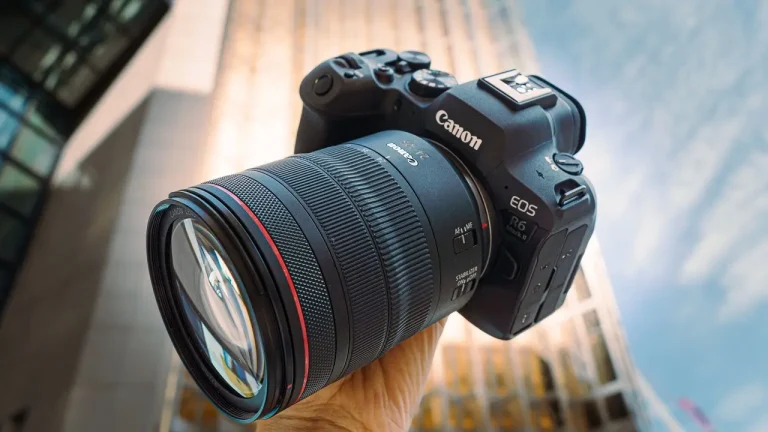
What wedding/event photographers need most
Wedding and event photographers need cameras they can trust in fast-moving, unpredictable situations. Autofocus has to be quick and reliable, especially when moments happen only once. Strong low-light performance is equally important, since ceremonies and receptions rarely offer perfect lighting.
Long battery life matters during full-day events, and dual card slots provide peace of mind when there’s no second chance to reshoot. Quiet or silent shooting modes help photographers stay unobtrusive during emotional or formal moments.
Natural, flattering skin tones are also essential, particularly for portraits and close-ups. And for clients who expect both photos and short video clips, solid hybrid video capability has become a valuable bonus rather than a luxury.
Recommended Cameras
| Camera | Why It’s Great | Price Tier | |
| Canon EOS R5 | Gorgeous skin tones, excellent AF, strong hybrid performance, great IBIS | High-End | |
| Sony A7 IV | Reliable autofocus, great color, strong for hybrid shooters | Mid-Range | |
| Nikon Z6 II | Great low-light performance, excellent ergonomics | Mid-Range | |
| Canon EOS R6 II | Fast AF, low-light monster, perfect for church/indoor weddings | Mid-Range | |
| Sony A7R V | High resolution for luxury weddings + AI AF | High-End | |
| Fujifilm X-H2S | Best APS-C system for event shooters, great color | Budget-Friendly Pro | |
Sports & Wildlife Photography, Quick Recommendations
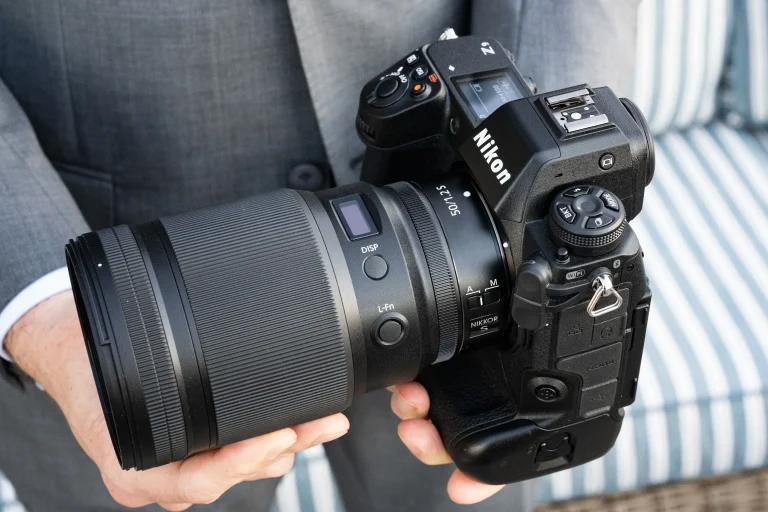
Sports and wildlife photographers work in environments where speed matters more than anything else. Subjects move unpredictably, distances change constantly, and there’s rarely time to adjust settings between moments.
That’s why autofocus needs to be not just fast, but intelligent enough to stay locked onto subjects as they accelerate, change direction, or briefly disappear from the frame.
High burst rates are essential for capturing decisive moments, especially in fast action or animal behavior. Reliable subject tracking makes a huge difference when shooting birds in flight or athletes at full speed. Just as important is durability. Weather-sealed bodies are a must when working outdoors, often in rain, dust, or extreme temperatures. Finally, a strong telephoto lens ecosystem gives photographers the reach and flexibility needed to capture distant subjects without compromising image quality.
Recommended Cameras
| Camera | Why It’s Great | Price Tier |
| Sony A1 | The best professional camera for sports overall, elite AF + 50MP | High-End |
| Canon EOS R3 | Insanely fast AF, eye-control AF, unbeatable for pro sports | High-End |
| Nikon Z9 | Fantastic AF, 20–120fps depending on mode, great price for what it delivers | High-End |
| Sony A9 III | Global shutter = zero rolling distortion + insane action performance | High-End |
| Canon R6 II | Affordable and fast, excellent choice for new action professionals | Mid-Range |
Studio, Portrait & Commercial Photography, Quick Recommendations
Studio, portrait, and commercial photographers care deeply about image quality at the pixel level. These are the fields where every small detail counts, from skin texture and fabric to reflections, shadows, and subtle color shifts. High resolution matters because images are often used for large prints, billboards, magazines, or detailed retouching work where cropping flexibility is essential.
Dynamic range is just as important, especially when working with controlled lighting setups. The ability to preserve highlights while keeping shadow detail intact gives photographers far more freedom in post-production. Color accuracy and natural skin tones are non-negotiable in portrait and commercial work, since clients expect consistency and realism across entire campaigns.
A strong lens ecosystem allows photographers to choose the exact focal length and optical character they need, while reliable tethering ensures a smooth studio workflow. Medium to large file sizes may slow down storage and processing, but for high-end commercial and print projects, that level of detail is often exactly what the job demands.
Recommended Cameras
| Camera | Why It’s Great | Price Tier |
| Fujifilm GFX100 II | The best professional camera for photography when IQ matters most | High-End |
| Hasselblad X2D 100C | Unmatched color science, luxury build | High-End |
| Sony A7R V | Superb 61MP resolution + versatile | Mid-High |
| Canon EOS R5 | Beautiful tones, excellent detail | Mid-High |
| Nikon Z7 II | High resolution at a great price | Mid-Range |
Travel, Street & Documentary Photography, Quick Recommendations
For travel, street, and documentary photographers, mobility and discretion are everything. You’re often walking long distances, navigating crowds, or capturing moments without disturbing the scene. Lightweight camera bodies and compact lenses make it easier to move quickly and carry less gear, letting you focus on the story rather than the equipment.
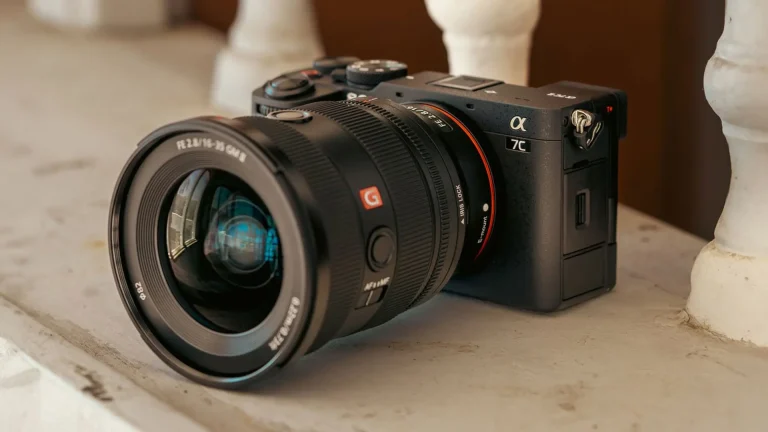
Reliable autofocus ensures that fleeting moments are captured sharply, while strong battery life keeps you shooting throughout long days on the road. Dynamic range matters when you encounter unpredictable lighting, from bright sunlight to shaded streets. Built-in stabilization allows you to grab steady shots even when handholding in busy or fast-paced environments.
Ultimately, cameras for this kind of work should feel like an extension of your eye and instincts, responsive, unobtrusive, and ready to capture the world as it unfolds.
Recommended Cameras
| Camera | Why It’s Great | Price Tier |
| Sony A7C II | Compact full-frame with excellent AF | Mid-Range |
| Fujifilm X100VI | Iconic street camera, fixed lens, perfect colors | Mid-Range |
| Sony A7 IV | Balanced hybrid for travel creators | Mid-Range |
| Canon R8 | Lightweight full-frame at a very good price | Budget-Friendly |
| Nikon Z5 | Affordable, reliable full-frame | Budget-Friendly |
Budget-Friendly Professional Cameras
Even on a budget, you don’t have to compromise on what really matters. For new or growing photographers, reliable autofocus and good low-light performance are essential, so you can capture sharp, usable images even in challenging conditions. Cameras that track subjects accurately help you stay confident when shooting moving people or scenes.
Access to affordable lenses and accessories ensures that your kit can grow with your skills without breaking the bank. Strong battery life keeps you shooting longer, whether you’re covering events, exploring streets, or experimenting in the studio.
A budget-friendly professional camera should feel capable, dependable, and ready to support your creative journey, letting you focus on the photography itself, not the limitations of your gear.
Recommended Cameras
| Camera | Why It’s Great | Price Tier |
| Canon R8 | Best entry-level full-frame for professionals | Budget |
| Nikon Z5 | Great build + reliable image quality | Budget |
| Sony A7 III | A legendary camera still used by many pros | Budget–Mid |
| Fujifilm X-S20 | Perfect balanced budget-friendly professional camera | Budget |
| Panasonic S5 II | Excellent hybrid performance | Budget–Mid |
How to Choose the Best Professional Camera for Your Work
Choosing the best professional camera isn’t about chasing specs, it’s about aligning your tools with the work you do, the clients you serve, and the ecosystem you plan to grow into. This section gives you a clear, practical framework to help you decide confidently, whether you’re upgrading your current kit or investing in your first truly professional system.
Below, we’ll break the process into five simple but essential steps so you can identify what actually matters for your workflow and avoid spending money where it won’t benefit your business.
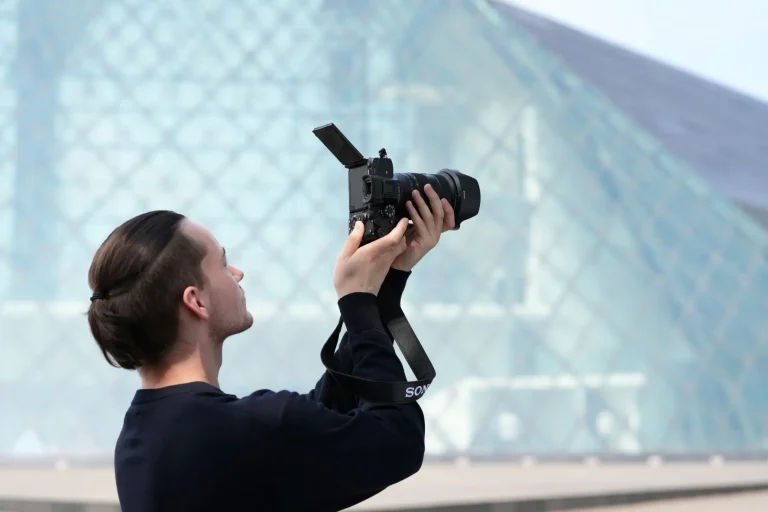
Step 1: Define Your Primary Work and Clients
Everything starts with understanding what you shoot most and what your clients expect.
Ask yourself:
- Are you delivering high-volume fast-turnaround galleries (weddings, events, reportage)?
- Are you producing large-format prints, commercial campaigns, magazine covers, or luxury product photography?
- Is speed more important than resolution, or do you need extreme detail more than autofocus performance?
- Do your clients request video, behind-the-scenes content, or hybrid coverage?
Your main work dictates your core needs:
- Weddings & Events: strong low-light performance, reliable autofocus, dual card slots, excellent color.
- Sports & Wildlife: fast AF tracking, high burst rates, long battery life.
- Studio & Commercial: high resolution, best dynamic range, medium format or high-resolution full-frame.
- Travel & Documentary: lightweight bodies, silent shutters, versatile zoom lenses.
- Hybrid Creators: strong 4K/8K video, minimal overheating, IBIS, clean color profiles.
Once you define your primary workflow, most other decisions come naturally.
Step 2: Choose the Right Sensor Size and Resolution
Your sensor choice will directly impact image quality, low-light performance, lens options, and even your editing workflow. Here’s how to decide strategically:
Full-Frame (Most pros choose this)
- Best balance of low-light, dynamic range, and lens ecosystems.
- Ideal for weddings, events, portraits, sports, and hybrid creators.
- If you’re unsure, full-frame is the safest professional choice.
APS-C (Smaller but still professional for many workflows)
- Lighter systems, smaller lenses, budget-friendly.
- Great for travel, documentary, and wildlife (crop factor advantage).
- Not ideal for commercial work that demands maximum image quality.
Medium Format (Highest image quality available today)
- Superior detail, color depth, and dynamic range.
- The best choice for commercial, product, luxury brand, and editorial work.
- Not ideal for fast action or low-light events due to slower autofocus and larger bodies.
Resolution Tip:
- 20–30MP: excellent all-rounders, fast workflows, smaller file sizes.
- 45–60MP: best for large prints, commercial work, cropping flexibility.
- 100MP+: medium format only, for the highest-end commercial imagery.
Step 3: Decide if You’re Stills-First or Hybrid
Professional cameras now fall into two main categories:
Stills-First Bodies
- Prioritize dynamic range, color accuracy, and mechanical reliability.
- Better for weddings, commercial stills, portraits, wildlife.
- Examples: Canon R5, Nikon Z8, Sony A7R V.
Hybrid Bodies (Stills + Video at equal priority)
- Designed for creators delivering both photos and video professionally.
- Strong codecs, cooling, IBIS, and oversampled 4K/8K options.
- Examples: Sony A1, Panasonic GH6, Canon R5 C.
If your clients expect video regularly, investing in a hybrid body ensures long-term flexibility, and protects you from losing work to competitors who can deliver both.
Step 4: Choose Your Brand Ecosystem
This step matters more than most buyers realize. The best professional camera isn’t just a camera, it’s a lens lineup, rental availability, color science, service centers, firmware updates, and long-term reliability.
Here’s the quick, professional-friendly breakdown:
- Canon:
Renowned for natural color, superb ergonomics, and a huge RF lens ecosystem. Strong all-round choice for weddings, portraits, hybrid creators, and events. - Nikon:
Excellent stills performance, strong dynamic range, and some of the best Z-series lenses ever made. Ideal for photographers who prioritize image quality and handling. - Sony:
The most mature mirrorless ecosystem with the widest third-party lens support. Industry-leading autofocus and extremely strong hybrid options. - Fujifilm:
APS-C excellence with film simulations for documentary and street photographers. Their medium format system offers unmatched image quality for commercial work. - Panasonic & OM System:
Video-first features (Panasonic) and lightweight professional kits (OM System). Great for creators prioritizing stabilization, portability, or long recording times.
Choosing the right ecosystem saves money long-term, lenses and accessories stay with you longer than camera bodies.
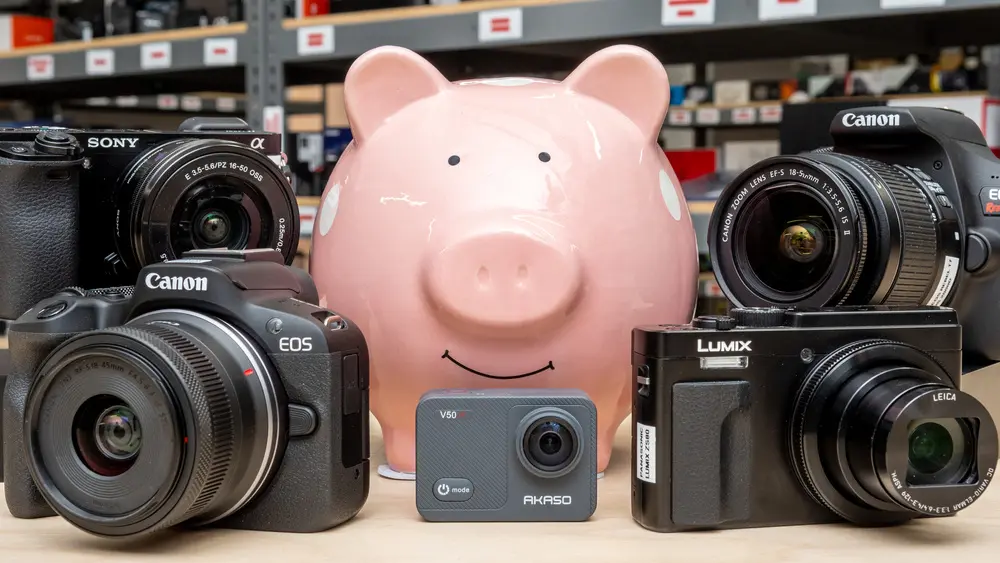
Step 5: Set Your Budget and 5-Year Upgrade Path
Professional gear is a business investment, and smart planning prevents you from overspending or getting stuck with the wrong setup.
Here’s how to do it effectively:
- Prioritize lenses and lighting, they impact your work more than the body.
- Allocate budget for backups, clients expect reliability.
- Plan for a 5-year cycle, most professional bodies last at least this long.
- Avoid buying the most expensive body if your lens kit is weak, a great lens on a mid-range body beats a flagship with a cheap kit zoom every time.
- Consider rental availability, especially if you’re in commercial, studio, or travel assignments.
If your budget is tight, remember that the best professional camera on a budget still exists, and many mid-range bodies deliver incredible performance when paired with strong lenses.
Elevate Your Work With Helio in Dubai
If you’re looking to step up your photography or filmmaking, having the right gear makes all the difference. In Dubai, Helio Studio is the place to go when you want top-quality, up-to-date equipment without the hassle of owning it.
At Helio, everything is ready for you: from high-end cameras and lenses to lighting kits, stabilizers, and full studio setups. Every piece of gear is maintained to professional standards, so you can focus on your creative vision, whether you’re capturing a fashion shoot, a commercial campaign, a wedding, or a hybrid photo-video project.
What really sets Helio apart is the experience. The team makes it simple to find the perfect setup for your needs and ensures that everything is ready the moment you arrive. Flexible rentals, easy pickups, and fast support mean your shoot goes smoothly, no matter where you are or what you’re filming.
Helio Studio Dubai is more than just a rental space, it’s a partner that puts all the tools you need right at your fingertips. Your vision deserves the best equipment, and Helio makes sure it’s always within reach.
Choosing the Best Professional Camera in 2025
Finding the right professional camera isn’t about chasing specs or the latest model. It’s about what fits your workflow, your style, and the kind of photography you want to create. From fast-action sports to detailed commercial work, weddings, hybrid projects, or starting your first professional kit on a budget, there’s a camera that matches your needs.
The best camera supports your storytelling. It delivers reliable performance, accurate colors, sharp autofocus, and a lens system that grows with you. The right choice makes your workflow smoother, your files more consistent, and your creative confidence stronger.
In 2025, hybrid cameras are becoming standard, full-frame suits most professional work, and medium format still leads for ultimate image quality. Whatever you shoot, the right camera can help you bring your vision to life, and make the next step in your photography journey more exciting.