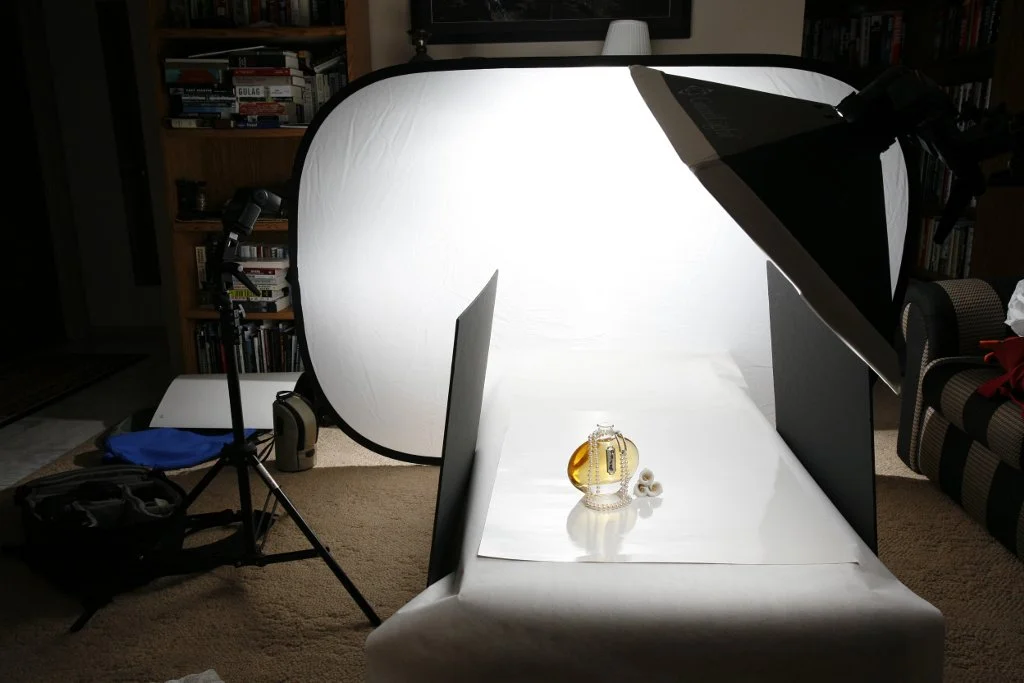
Product photography relies heavily on lighting to present items clearly, accurately, and attractively. In commercial environments, a softbox is one of the most reliable tools for creating controlled, consistent light.
Choosing the right softbox is less about following trends or brand names and more about size, shape, and how well it fits the product and shooting space. This guide focuses on practical choices that work in real product shoots, especially in competitive markets like Dubai.
Quick Picks: Best Softbox for Product Photography
Before getting into details, here is a quick overview that helps you match common product photography scenarios with the right type of softbox.
| Shooting Scenario | Best Softbox Type | Suggested Size | Must-Have Feature |
| General product shots | Rectangular softbox | 90 × 120 cm | Even light spread |
| Jewelry & cosmetics | Small rectangular or octa | 60 – 90 cm | Soft diffusion |
| Bottles & glass | Stripbox | 30 × 120 cm | Grid for control |
| Small studio space | Parabolic softbox | 70 – 90 cm | Quick setup |
| Large products | Large rectangular | 120 × 180 cm | Wide coverage |
- Safe default choice: A rectangular softbox around 90 × 120 cm works well for most product photography setups.
How to Choose the Best Softbox for Photographing Products
Choosing the right softbox comes down to how well it fits your products, shooting space, and overall workflow. Below are the most important buying factors considering usual softbox light recommendations for product photography.
1. Softness and Coverage
The softness of light depends on how large the softbox appears relative to the product. A bigger softbox produces gentler shadows and smoother transitions, which is ideal for commercial product images.
2. Spill Control
Light that spreads where you do not want it can ruin contrast and reflections. Softboxes with grids help keep light focused, which is especially useful for reflective or glossy products.
3. Mount Compatibility
Always check that the softbox mount matches your light. Bowens mounts are very common and offer the widest compatibility with studio strobes and continuous lights.
4. Depth and Space
Deep softboxes give more directional light but require more room. Shallow designs work better in compact studios, which is often the case in city setups.
5. Setup Speed
If you work with multiple products or tight schedules, setup time matters. For example, the Godox P70 Parabolic Softbox (27.6″) is popular because its X-style frame opens quickly while still offering good spill control.
What Size Softbox for Product Photography Should You Get?
In product photography, the larger a softbox is relative to the product, the softer and more even the light becomes. This means that when deciding whether to use a softbox, its size should be chosen based on the dimensions of the product to achieve optimal lighting and minimize harsh shadows.
Quick Size Guidelines
- Small products (jewelry, cosmetics, accessories): 60–90 cm softbox works well for close, controlled lighting.
- Medium products (shoes, bags, dishes, food): 90–120 cm offers balanced softness and coverage.
- Large products or grouped items: 120 × 180 cm or two softboxes positioned from different angles.
- Reflective products (bottles, glass, polished metal): A stripbox often works better than a square or octa shape.
- Recommended stripbox sizes for reflective items: 30 × 120 cm to 35 × 160 cm, depending on product height.
Understanding what size softbox for product photography you need helps you avoid harsh reflections and uneven highlights, especially when shooting glossy surfaces.
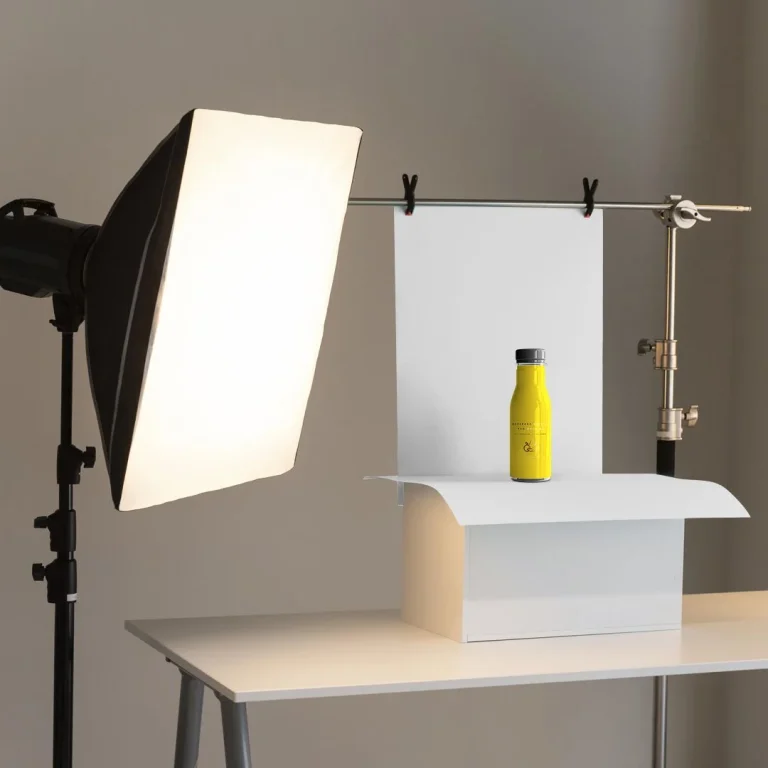
Softbox Shapes for Product Shoots
Softboxes come in different shapes, and each one serves a clear purpose. You do not need all of them, but knowing their strengths makes choosing easier.
- Rectangular softbox
The safest all-round choice. It works well for most products and is easy to position. - Octagonal softbox
Produces round, natural highlights. Best for matte products where reflections are not a concern. - Stripbox
Ideal for bottles, glass, and reflective packaging. It allows you to shape highlights precisely.
Using a grid with any of these shapes adds extra control and keeps light from spilling into unwanted areas.
Best Softbox for Product Photos: By Scenario
Instead of listing brand names, this section focuses on softbox recommendations based on use cases. These suggestions are more practical for real photography projects and help you choose the right softbox for your needs.
Best Overall Softbox
- Purpose: Product photographers working with varied items
- Why: A rectangular 90 × 120 cm softbox balances softness, control, and flexibility.
Best for Small Products
- Purpose: Jewelry, skincare, cosmetics
- Why: A 60–90 cm softbox allows close placement and detailed lighting control.
Best for Reflective Products
- Purpose: Bottles, perfumes, glass packaging
- Why: A stripbox with a grid gives clean highlights without messy reflections.
Best for Small Spaces
- Purpose: Home studios and compact commercial spaces
- Why: A shallow or parabolic softbox fits tighter layouts and sets up quickly.
Best for Large Setups
- Purpose: Furniture, multiple products, lifestyle scenes
- Why: Large rectangular softboxes or dual-light setups provide even coverage.
Best on a Budget
- Purpose: Beginners and startups
- Why: A basic rectangular softbox with good diffusion still delivers professional results.
Common Mistakes to Avoid
- Using a softbox that is too small for large products
- Skipping grids when shooting reflective items
- Buying the wrong mount for your light system
These mistakes often lead to frustration and inconsistent results.
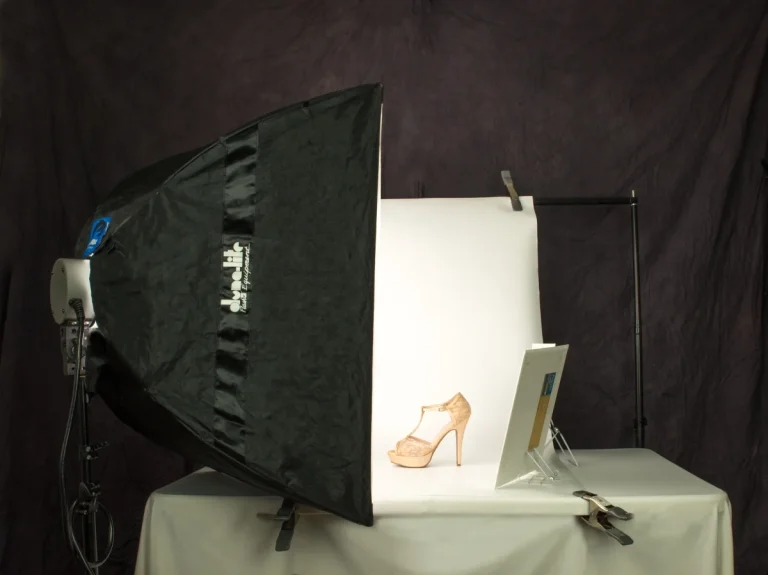
Do You Really Need a Softbox for Product Photos?
For most commercial work, the answer is yes. A softbox provides consistent, repeatable lighting that helps products appear clean and professional. This level of control is essential for e-commerce, catalogs, and brand campaigns.
You might skip a softbox if you rely entirely on controlled window light and are comfortable with changes caused by time of day and weather. Diffusers and reflectors can help, but they offer far less control than a well-chosen softbox.
Work With Experts Who Understand Visual Branding in Dubai
If your business is serious about product presentation, working with professionals makes a noticeable difference. Helio supports brands with product photography, creative direction, and full visual campaigns designed to meet local and international standards.
Final Thoughts on Choosing the Right Softbox
Selecting the best softbox for product photography comes down to understanding your product, your space, and the level of control you need. A well-chosen softbox improves consistency, reduces unwanted reflections, and helps products look professional across all platforms.