If you’ve ever tried to level up the look of your photos or videos, you’ve probably wondered at some point: Ring Light vs Softbox, which one is actually better? It’s a fair question.
Both tools are insanely popular, both promise better lighting, and both are used by everyone from YouTubers and makeup artists to photographers and product shooters. But here’s the thing: even though they serve a similar purpose, they create completely different kinds of light, and those differences can dramatically shape the mood, depth, and overall quality of your content.
Whether you film beauty videos in a small bedroom, shoot products on a table, record Zoom calls, or run a studio setup, understanding how each tool behaves will help you choose the one that truly fits your workflow. This guide breaks everything down in a clear, friendly, and practical way so you can finally stop guessing and start lighting like a pro. By the end, the whole Softbox vs ring light debate will actually make sense, and your content will look noticeably better because of it. Let’s start with the fundamentals.
Ring Light vs Softbox: The Core Differences You Should Know
Before choosing between a ring light and a softbox, it helps to understand the fundamental way each one shapes light. Even though they’re often compared side-by-side, the two were designed with very different purposes in mind. Here are the core differences that really matter in the Ring Light vs Softbox conversation:
Overall Light Shape: Circular vs. Diffused Panel
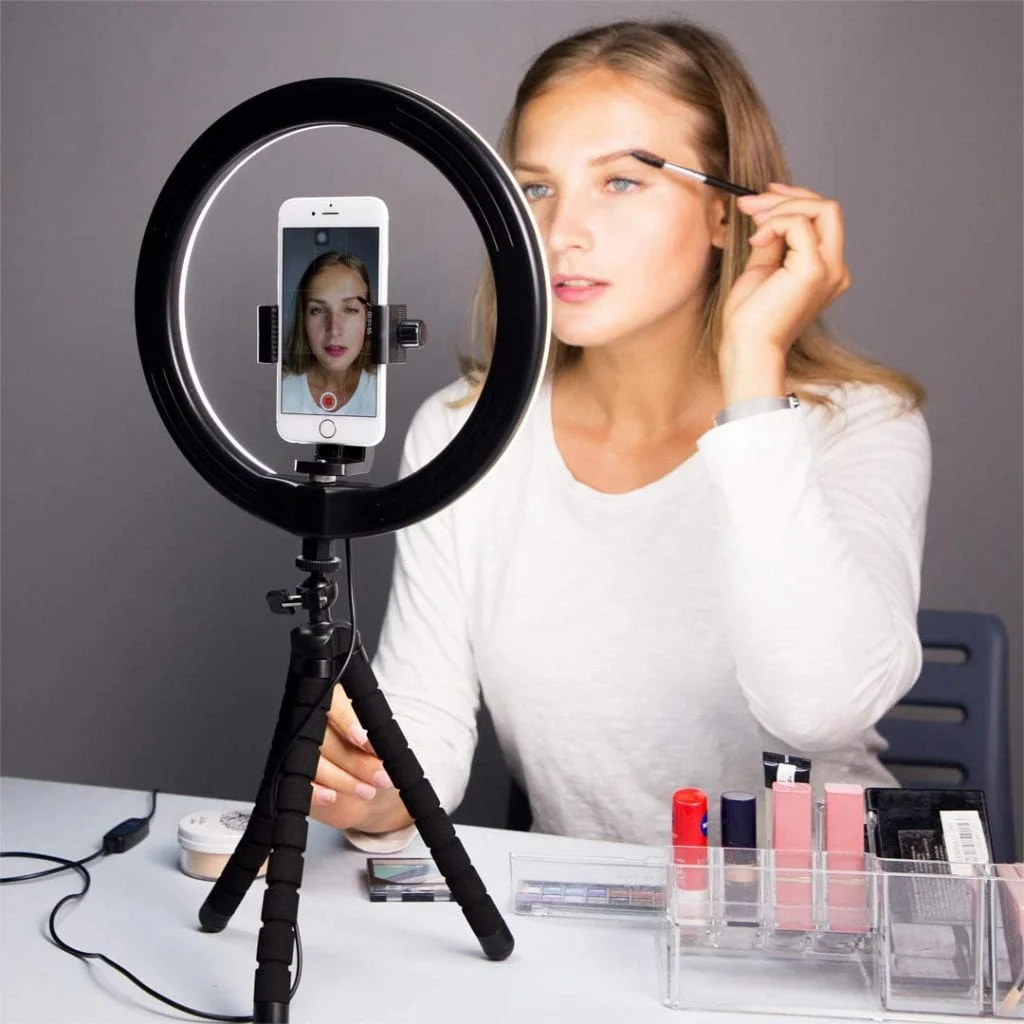
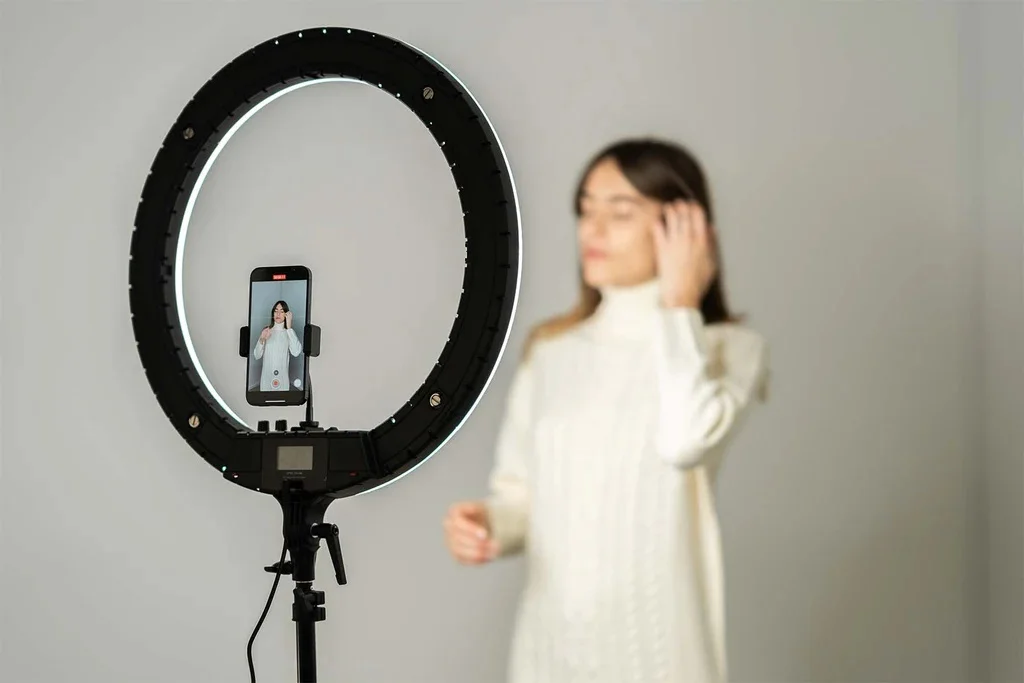
The first thing you notice when comparing a ring light and a softbox is their shape and how they distribute light. A ring light produces a circular beam that surrounds the camera lens, creating a bright, even glow directly on your subject. This is why faces appear perfectly lit and centered, ideal for beauty shots, tutorials, and close-up videos.
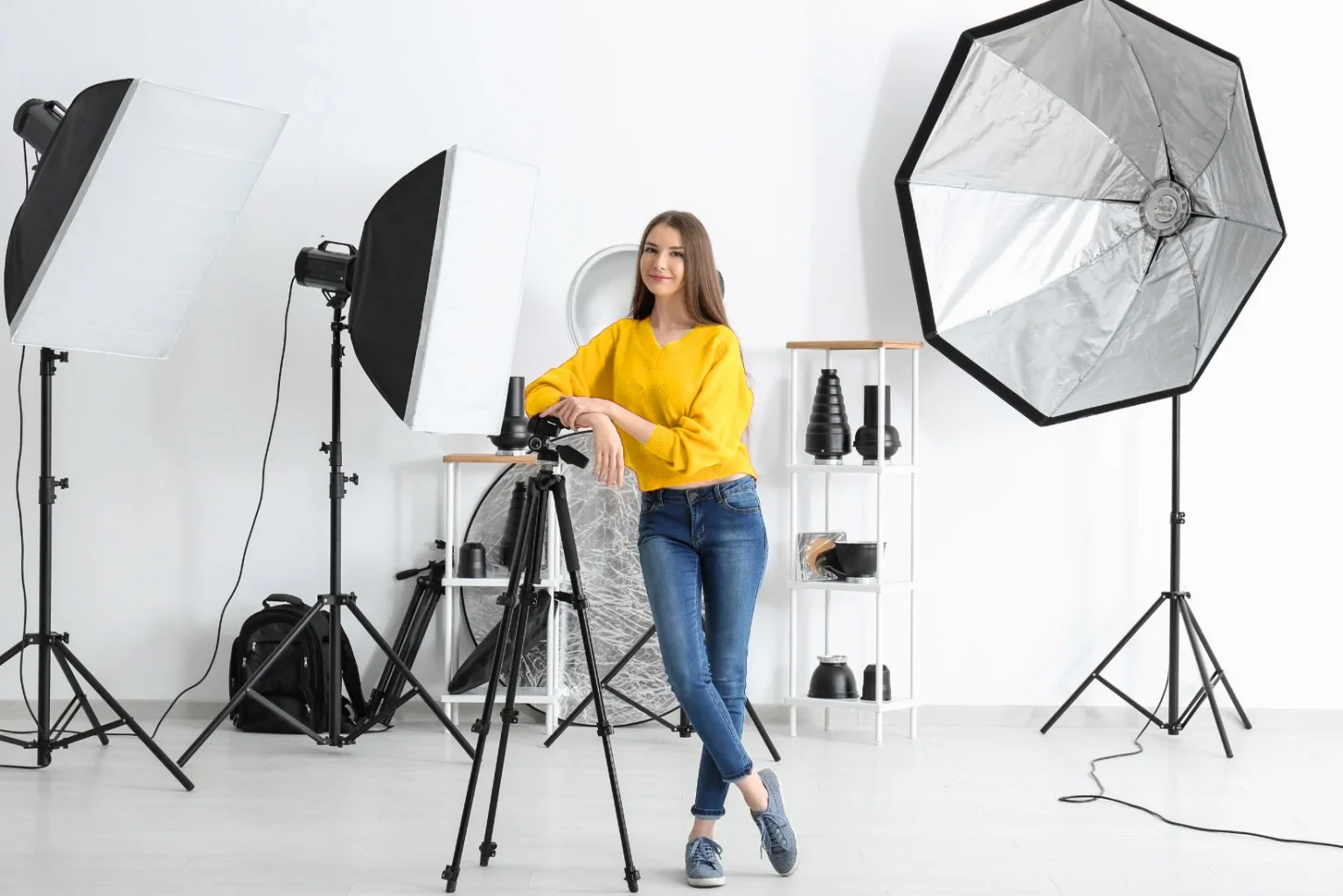
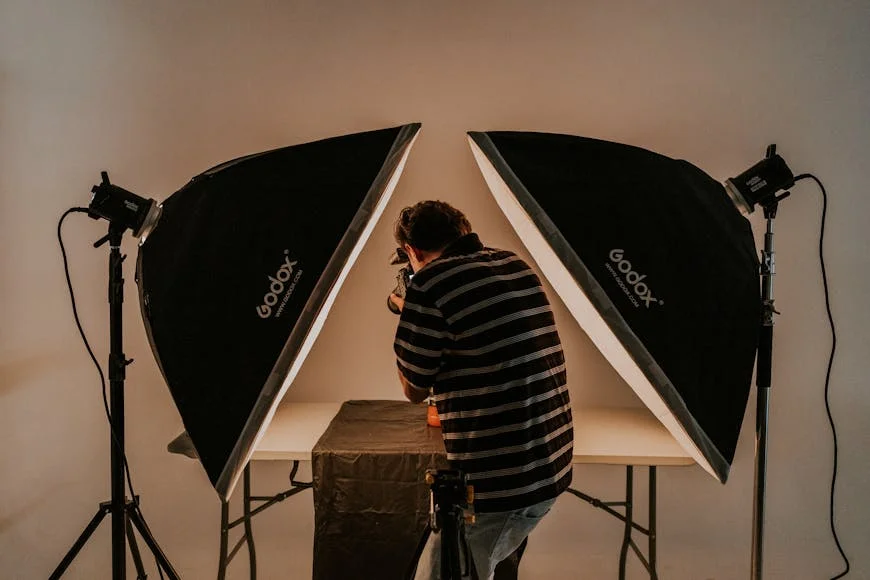
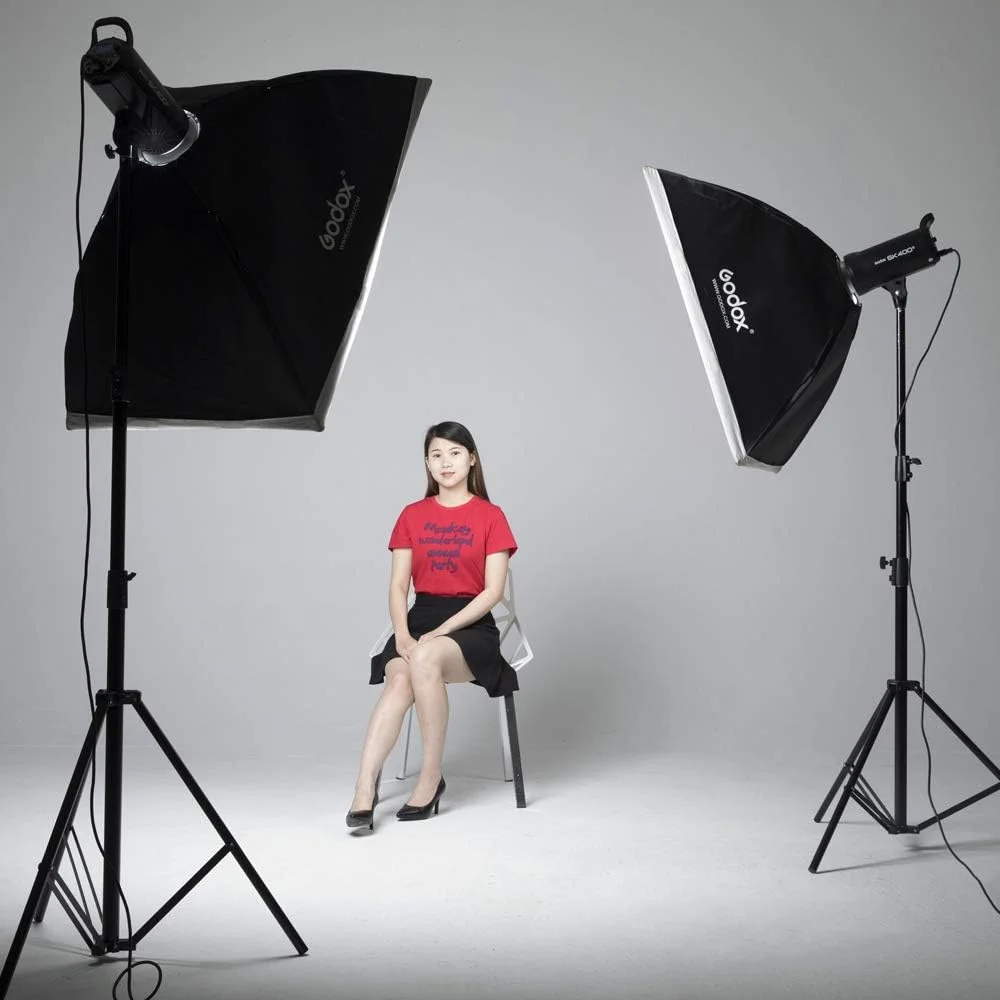
In contrast, a softbox uses a larger, rectangular or square diffused panel that spreads light more broadly and naturally across the scene. Instead of focusing only on the center, it gently illuminates the surroundings as well.
This fundamental difference alone can completely change the vibe of your images: ring lights give a crisp, polished look, while softboxes create a soft, natural, and more cinematic atmosphere.
Shadow Behavior: Shadow-Free vs Controlled Shadows
Shadows are one of the key factors that determine the mood of your photos or videos. Ring lights minimize shadows almost entirely, which is why they’re so popular for beauty content, makeup tutorials, and talking-head videos. The even front-facing light makes imperfections less noticeable and creates a “flat” but flawless look. Softboxes, however, work differently.
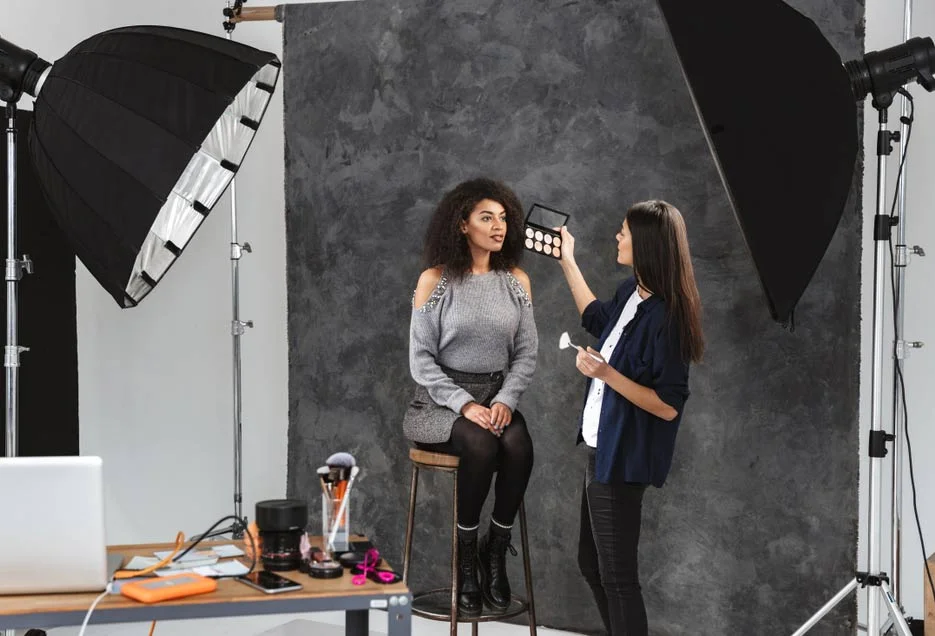
They produce soft, directional shadows that add depth and dimension to your subject. By controlling where the shadows fall, you can sculpt the face or object, making it appear three-dimensional rather than flat. If you want a professional, lifelike look that highlights textures and shapes, softboxes are the better choice.
Contrast Levels: Flat vs Dimensional
Ring lights naturally reduce contrast because they shine directly from the front. This smooths out details, giving the skin a polished, flawless appearance. The result is bright and clean visuals, but it can sometimes make the image feel a little “flat” because shadows and highlights are minimized.
On the other hand, softboxes let you play with contrast. By adjusting the angle, distance, or height of the light, you can create soft shadows and highlights that add drama and depth.
This makes them perfect for portrait photography, product shots, and any scenario where subtle depth and dimensionality enhance the visual appeal.
Coverage Area: Close-Up vs Broader Scenes
When it comes to coverage, ring lights are best suited for single subjects or close-up shots. Because the light is concentrated around the camera lens, it works beautifully for a person sitting at a desk, a beauty tutorial, or a product shot on a small table. Softboxes provide a much wider coverage area.
They can fill an entire corner of a room, light multiple people, or illuminate full-body shots evenly. If your goal is a larger scene with consistent lighting across multiple subjects, the softbox is simply more effective.
Flexibility & Creative Range
Ring lights are usually straightforward: most models allow you to adjust brightness and sometimes color temperature, but that’s about it. They’re great for simple setups, but they don’t offer much room for creative experimentation.
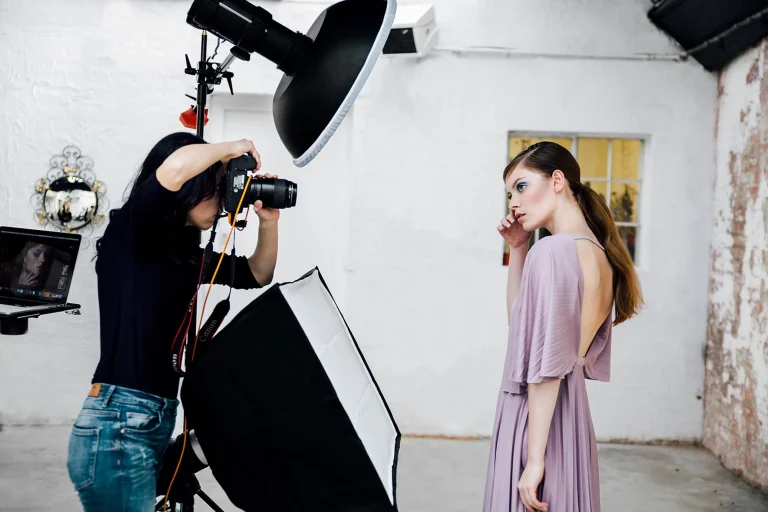
Softboxes, in contrast, are highly versatile. You can tilt them, feather the edges, layer diffusers, or combine them with other modifiers like grids and reflectors. This flexibility allows you to sculpt light exactly how you want it, giving you more creative freedom for photography or videography projects.
Portability & Space Requirements
If you’re working in a small room, on the go, or need something easy to transport, ring lights are ideal. They’re lightweight, compact, and quick to set up.
Softboxes are larger, require stands and sometimes multiple panels, and need a dedicated space for setup. While they offer more control, they are better suited for semi-permanent or studio environments where mobility is less of a concern.
Type of Output: Direct Glow vs Soft Spread
The final difference is how the light actually looks on your subject. Ring lights produce a direct, centered glow that gives the iconic “bright face, clean look” often seen in beauty or influencer content.
Softboxes, however, provide a soft, diffused spread that mimics natural daylight. The effect is gentle on the eyes, flattering to skin tones, and produces a natural, cinematic feel that works beautifully in portraits, products, and larger scenes.
These seven points are the core differences that shape the entire Ring Light vs Softbox experience. Understanding them helps you quickly see which light fits your needs, whether it’s a compact, easy-to-use ring light for quick setups or a versatile softbox for more professional, controlled lighting.
Once you compare them on camera, the choice becomes much clearer, and your content will benefit instantly.
Ring Light vs Softbox: Light Quality & Visual Output
When it comes to choosing between a ring light and a softbox, the real difference becomes obvious the moment you see how each one shapes the final image.
Light quality isn’t just about brightness, it’s about the character of the light, how it interacts with skin, how it changes depth, and even how it makes someone’s eyes look on camera. So let’s break down how each tool performs in the areas that matter most in the Ring Light vs Softbox debate.
Shadow Behavior: Clean and Shadowless vs Soft and Natural
Shadows play a huge role in how a scene feels on camera. Ring lights are designed to minimize shadows as much as possible. Because the light wraps evenly around the lens, the face or subject appears smooth, bright, and evenly illuminated.
This creates the iconic “beauty influencer glow,” perfect for makeup tutorials, talking-head videos, or any content where you want a clean, polished look.
Softboxes, in contrast, introduce gentle, gradual shadows that add depth and dimension. They don’t flatten the subject; instead, they sculpt it softly. This makes them ideal for portraits, product photography, or cinematic videos where depth and realism matter. If you want your subject to look three-dimensional rather than flat, the softbox is the clear winner.
Contrast Levels: Lower Contrast vs Adjustable Depth
Ring lights naturally lower contrast because they shine directly from the front. This softens features and smooths out imperfections, which is why they are so popular for beauty content and close-up shots. The trade-off is that images can look a bit flat because shadows and highlights are minimized.
Softboxes, however, give you full creative control over contrast. By adjusting the angle, distance, or feathering the light, you can make the scene as bright and airy or as moody and dramatic as you like.
This flexibility allows you to shape both light and emotion in your shots, making softboxes perfect for professional photography and video.
Skin Texture Rendering: Smooth vs Honest
How your skin or product surface appears is a key factor in choosing your light. Ring lights flatten textures, minimizing pores, bumps, or small imperfections. This creates a smooth, polished look instantly, often without the need for post-editing.
Softboxes reveal skin texture more naturally. They don’t hide flaws, but they also don’t exaggerate them. The result is a subtle, healthy, professional “studio portrait” finish. So your choice comes down to style: ring light for polished and flawless, softbox for natural and dimensional.
Catchlights in the Eyes: The Signature Ring vs Natural Reflection
Catchlights, the reflections in a person’s eyes, might seem small, but they make a huge difference.
- Ring lights create the instantly recognizable circular halo reflection. This is common in beauty and influencer content and gives a signature “bright, lively” look to the eyes.
- Softboxes produce a rectangular or window-like catchlight, soft and subtle, closer to natural daylight. This look is perfect for portraits and cinematic videos where eye detail matters and a natural feel is preferred.
Choosing the right catchlight can subtly enhance the professionalism and emotional impact of your shots.
Overall Atmosphere: Bright & Polished vs Soft & Cinematic
The type of light you use affects the mood of your content. Ring lights create a bright, energetic, and polished atmosphere. They’re great for tutorials, livestreams, product demos, or casual content where clarity and vibrancy are key.
Softboxes, by comparison, create a soft, calm, and cinematic feel. They’re perfect for portrait sessions, professional interviews, product photography, or storytelling videos. Even the same subject can feel completely different depending on which light you use.
Color Accuracy & Softness
High-quality softboxes usually use bulbs with high CRI (Color Rendering Index) or TLCI ratings. This ensures colors appear true-to-life and consistent, which is crucial for professional photography and video.
Ring lights have improved over the years, but lower-quality models can still produce slightly “LED-like” or cooler tones. The multiple layers of diffusion in softboxes give a naturally soft, even, and color-accurate output.
Diffusion Quality
Ring lights offer a fixed amount of diffusion. You get a consistent glow, but it’s limited in adaptability.
Softboxes allow for more control. You can add grids, extra diffusion layers, or adjust the depth to shape the light precisely, control spill, and match your scene perfectly. This adaptability is why professional studios almost always rely on softboxes for high-quality results.
Ring Light vs Softbox: Best Use Cases for Each
Now that you know how each light behaves, it’s time to look at something even more practical: which one works best for the type of content you actually create?
Not everyone needs studio-level lighting, and not everyone needs a beauty-style glow, so this section breaks down the ideal use cases one by one, helping you decide where each tool shines.
Ring Light vs Softbox for Video
If your main goal is to record talking-head videos, whether for YouTube, TikTok, online courses, or social media, the choice between a ring light and a softbox depends on the mood and look you want.
- Ring Light: Ideal for bright, direct, clean looks. If you sit close to the camera and want evenly lit skin with minimal shadows, a ring light is perfect. It instantly gives you that polished creator vibe and works incredibly well when filming at your desk.
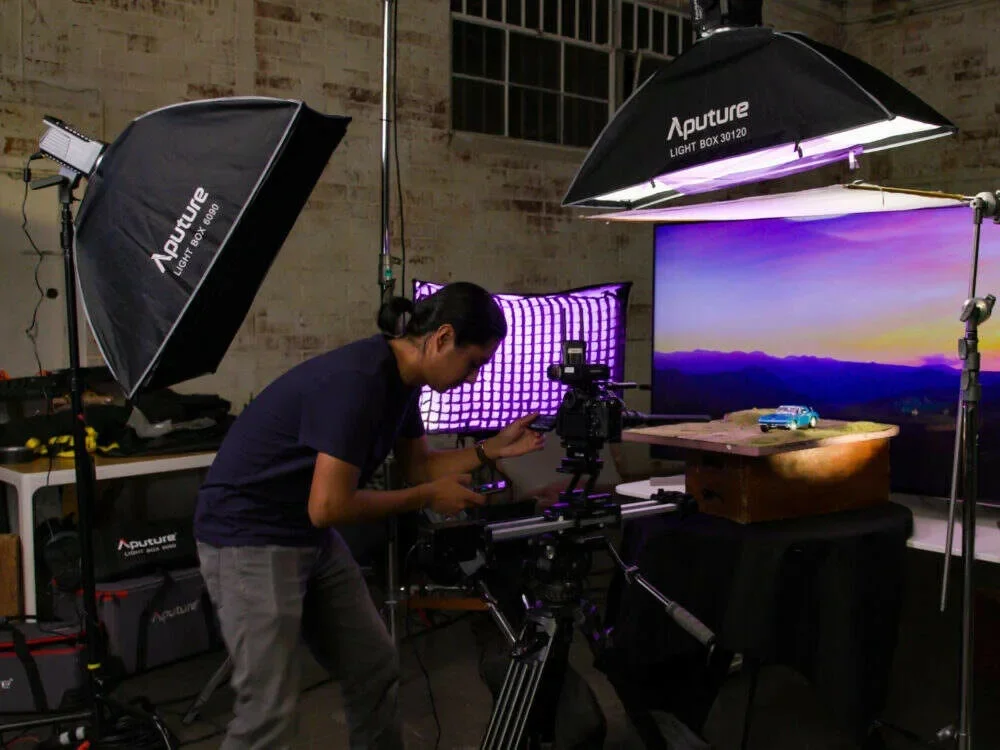
- Softbox: Best when you want a more cinematic or professional feel. A softbox gives you natural shadows, depth, and a sense of space that makes interviews, studio videos, and educational content look more refined. If your video style leans more documentary or aesthetic, the softbox wins.
Ring Light vs Softbox for Product Photography
Product photography is where the difference between Softbox vs ring light becomes extremely noticeable.
- Ring Light: Works only for small objects that benefit from a front-facing, shadow-free look, such as beauty items, skincare bottles, or accessories. But because the light is circular and direct, it can sometimes create unnatural reflections on shiny objects.
- Softbox: The gold standard for product photography. You can control reflection, angle, spread, and softness in a way that simply isn’t possible with a ring light. Softboxes gently wrap the light around the product, bringing out textures and shaping the product realistically.
Ring Light vs Softbox for Zoom Calls & Virtual Meetings
Lighting for Zoom or online meetings doesn’t need to be complex, but it needs to be flattering and comfortable for long sessions.
- Ring Light: Great for quick setup. It lights your face evenly and makes you look awake and polished, even in dim rooms. Perfect for remote workers and content creators who jump into multiple calls daily.
- Softbox: Also great, but larger. If you have the space, a softbox creates a soft, natural daylight effect that looks extremely professional on camera. It’s easier on the eyes during long meetings and doesn’t produce the distracting “ring reflection” in glasses.
Ring Light vs Softbox for YouTube
YouTube content varies a lot, tutorials, vlogs, reviews, sit-down videos, so the right light depends on your channel style.
- Ring Light: Perfect for beauty, skincare, DIY tutorials, desk-setup videos, or anything shot close to the camera. It gives a bright, modern, creator-style look that works especially well for beginners.
- Softbox: Ideal for talking-head setups, long-form videos, and any YouTube content that needs a polished, professional aesthetic. Softboxes make backgrounds look softer and give your face a more dimensional, natural appearance.
Ring Light vs Softbox for Streaming
Streamers spend hours on camera, so the choice here is about comfort as much as visuals.
- Ring Light: Great for tight setups and minimal equipment. But it can feel intense during long sessions, and if you wear glasses, the ring-shaped reflection might be distracting.
- Softbox: Much more comfortable for long streams. The light is softer, gentler on the eyes, and doesn’t create harsh reflections. It also gives your face a natural look that stays flattering even with movement.
Single vs Group Subjects
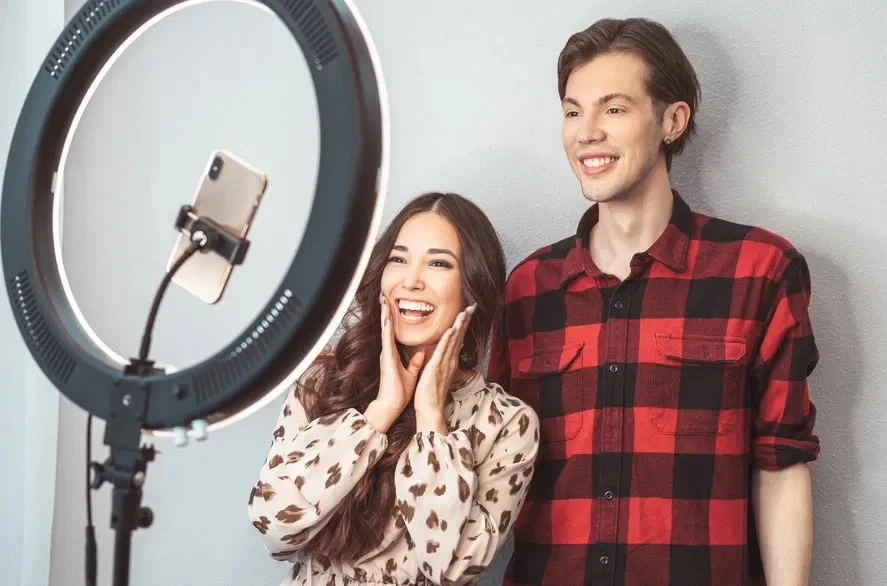
- Ring Light: Designed for one person. It doesn’t evenly cover two or more people unless they squeeze tightly into one spot.
- Softbox: Handles groups easily. Even one single softbox can light two people well, and with a second softbox, you can illuminate a small group or a full-body frame effortlessly.
Small Room vs Studio Space
- Ring Light:
Absolutely perfect for small bedrooms, tiny office corners, or mobile setups.
If space is limited, this is the easiest option. - Softbox:
Works best in medium to large rooms. They’re not difficult to set up, but they do require floor space, especially if you use multiple lights or large modifiers.
Pros and Cons of Ring Lights vs Softboxes
Choosing between these two lighting tools becomes much easier once you look at their strengths and weaknesses side by side. Even though both are incredibly useful, they shine in very different scenarios. Here’s a clear, practical breakdown to help you see where each one works beautifully and where it doesn’t.
Pros of Ring Lights
- Even, shadow-free lighting that’s perfect for beauty content, tutorials, and close-up talking-head videos.
- Portable and lightweight, making them ideal for small rooms, travel setups, and creators who move around a lot.
- Beginner-friendly, easy setup, intuitive design, and minimal adjustments needed.
- Bright, polished look that naturally smooths skin texture without heavy editing.
- Affordable, making them a great starting point for new creators.
Cons of Ring Lights
- Limited creative control, you can’t easily shape or angle the light.
- Not ideal for cinematic or moody visuals, because the light is very flat.
- Harsh reflections, especially with glasses or shiny surfaces.
- Small coverage area, making them suitable only for one person or tight shots.
- Can feel intense during long recording sessions, particularly when used at high brightness.
Pros of Softboxes
- Soft, natural, window-like light that flatters both faces and products.
- Highly controllable, you can change angle, distance, diffusion, and shadows for different visual styles.
- Great for portraits and product photography, where dimension and depth matter.
- Comfortable for long streams or videos, thanks to gentle, evenly spread illumination.
- Wider coverage area, perfect for multi-person setups or full-body shots.
- Professional-grade results, even in home studios.
Cons of Softboxes
- Requires more space, especially with large modifiers.
- Setup takes longer compared to ring lights.
- Less portable, unless you use compact or collapsible models.
- Higher cost, especially if you’re aiming for studio-level quality.
Overall Practicality Comparison
Here’s how ring lights and softboxes compare in real-world use:
- Light Softness
- Ring Light: moderately soft but direct, gives a clean, polished look but can be slightly harsh on larger areas.
- Softbox: extremely soft and natural, wraps the light gently, perfect for flattering portraits and product shoots.
- Control
- Ring Light: minimal, mostly brightness and sometimes color temperature; not much room for shaping light.
- Softbox: high, you can adjust shadows, direction, and mood for creative results.
- Portability
- Ring Light: very portable, easy to move or use in small spaces.
- Softbox: less portable, depends on size; better suited for semi-permanent setups.
- Coverage Area
- Ring Light: ideal for one person or close-up shots.
- Softbox: flexible, works for single subjects, groups, or full product setups.
- Creative Flexibility
- Ring Light: straightforward, quick setup for clean, polished content.
- Softbox: versatile, perfect for photography, video, interviews, cinematic projects, and product shoots.
- Overall Practicality
- Ring Light: fast, easy, space-saving, great for small setups or on-the-go content.
- Softbox: versatile, professional, customizable, a long-term investment for high-quality results.
Which One Should You Choose?
By now, you’ve seen how different the two lights are, in style, output, flexibility, and comfort. But the real question is: Which one is actually right for you?
This decision framework breaks everything down into simple, practical points so you can confidently choose between a ring light and a softbox based on your real shooting conditions.
Space & Mobility: Small Room vs Portable Setups
Choose a Ring Light if:
- You film in a small bedroom, desk corner, or tight workspace, where every inch counts.
- You want something lightweight and easy to move around, so you can quickly reposition it for different shots.
- You need fast, “set it and forget it” lighting for daily content without spending too much time adjusting angles or diffusers.
Choose a Softbox if:
- You have enough space for a light stand and diffusion panel, like a dedicated studio corner or larger room.
- Your setup is semi-permanent or stationary, meaning you don’t need to move it around constantly.
- You want full control over how light falls on your subject, so you can shape shadows, highlights, and mood precisely.
Quick Tip: If space is tight, the ring light almost always wins for practicality. If you have room and prioritize quality, a softbox is the better long-term solution.
Subject Size: Single Person vs Group Shots
Ring lights are designed primarily for one subject at a time. Trying to light two or more people with a ring light often results in uneven illumination, with shadows and hotspots appearing in awkward places.
Softboxes, on the other hand, naturally cover larger areas. They can evenly light:
- A duo for interviews or couple portraits
- A small group or team video
- Full-body shots or a product table for professional product photography
Quick Tip: If your content involves multiple subjects or full-body coverage, go with a softbox. It handles groups smoothly and keeps the light consistent across the scene.
Room Size & Shooting Environment
Ring lights shine in tight or compact spaces, where a softbox would feel cumbersome or overpowering. Their small footprint makes them perfect for home setups, desk corners, or mobile content creation.
Softboxes need more room but deliver richer depth and smoother shadows when space allows. Even a little extra distance from walls or ceilings lets the softbox create natural, realistic light that feels professional and cinematic.
Quick Tip:
- Small room? Ring light
- Medium or large room? Softbox all the way
Skill Level: Beginner-Friendly vs Advanced Control
Ring Light, Beginner-Friendly:
- Plug it in and go: simple setup with minimal adjustments.
- No worrying about angles, diffusion, or shadow placement.
- Perfect for creators who want reliable, clean lighting with minimal effort.
Softbox, More Control, More Creativity:
- Lets you shape shadows for dimensional and artistic effects.
- Enables dramatic, cinematic looks for video or photography.
- Offers flexibility with height, distance, and angle, giving you complete creative control.
Quick Tip: If you enjoy experimenting with lighting or plan to upgrade your production quality, a softbox is the smarter long-term investment.
Budget: Affordable vs Long-Term Investment
Cost often plays a big role in deciding between a ring light and a softbox:
- Ring lights are affordable and ideal for beginners, hobbyists, or anyone working with a tight budget. They give immediate results without a big investment.
- Softboxes are more expensive, especially professional-quality models, but they are long-term tools that grow with your skills and can support more complex shoots.
Quick Tip: If you’re planning a full studio setup or want results that feel professional from day one, consider investing in a softbox. It pays off in versatility and quality over time.
Desired Visual Style: Clean & Even vs Natural & Cinematic
When choosing between a ring light and a softbox, one of the most important factors is the visual mood you want your content to convey. The way your subject is lit affects how viewers perceive your video or photos, so it’s worth thinking carefully about your preferred style.
Choose a Ring Light if you want:
- Beauty-style, polished, shadowless light, perfect for makeup tutorials, Instagram content, or close-up shots where every detail should pop.
- Bright, energetic, and crisp visuals, your content looks lively and clean on camera.
- Close-up content like tutorials or reviews, ideal for small areas or desk setups.
- Minimal texture and smooth skin, reduces pores and blemishes, giving your subject a flawless appearance without heavy editing.
Choose a Softbox if you want:
- Natural, soft, daylight-like illumination, mimics window light for a realistic, flattering effect.
- Soft shadows and depth, creates a three-dimensional look that adds professional polish to portraits or product shots.
- Cinematic or studio-quality aesthetics, perfect for storytelling, interviews, or any content where atmosphere and mood matter.
- More emotional, storytelling-style videos, soft, subtle lighting helps convey emotion and draws viewers into the scene.
Quick Tip: Your preferred visual mood can be the deciding factor. If you want a bright, polished, influencer-style look, go ring light. If you want depth, realism, and cinematic quality, the softbox is the better choice.
Quick Visual Comparison Table: Ring Light vs Softbox
| Feature / Factor | Ring Light | Softbox |
| Shadow Behavior | Minimal shadows, nearly shadow-free | Soft, natural shadows that add depth |
| Coverage | Best for single subjects or close-ups | Wider coverage, suitable for groups and full-body shots |
| Portability | Lightweight, compact, easy to move | Larger, less portable, requires more space |
| Best Use Case | Beauty tutorials, YouTube, TikTok, streaming | Portraits, product photography, cinematic videos |
| Cost | Affordable, great for beginners | Higher cost, professional-grade results |
This table gives a quick overview so you can see the main differences at a glance, perfect for readers who want to decide fast or compare key factors side by side.
Pro Tips to Make the Most of Your Lights
Here are a few practical, professional tips for getting the most out of your lighting:
- Use a diffuser with your ring light to reduce hotspots on shiny surfaces. This helps products or skin look more even and avoids harsh reflections.
- Angle your softbox slightly from above to create natural catchlights in the eyes, giving portraits a more professional, dimensional look.
- Test small adjustments in distance and angle with both lights, tiny changes can make a huge difference in shadow softness and mood.
- Always consider the background when positioning your light; softboxes can spill light over larger areas, while ring lights are more focused.
Maintenance & Longevity Tips
Keeping your lights in top shape not only extends their life but also maintains consistent output:
- Regularly wipe your softbox and diffuser panels to prevent dust buildup, which can slightly alter light quality.
- Check the ring light bulbs periodically and replace any flickering LEDs promptly to avoid uneven illumination.
- Avoid overheating by giving lights a short break during long shoots, especially high-brightness ring lights.
- Store both ring lights and softboxes in protective cases when not in use, particularly if you transport them frequently.
These simple steps ensure your lighting equipment stays reliable and performs at its best for every shoot.
The Value of Storytelling and Personalization in Marketing
Storytelling has become one of the most powerful tools in modern marketing, and it’s not hard to see why. People don’t connect with features or statistics the same way they connect with emotions, experiences, and human moments.
When a brand shares a story, whether it’s the journey behind a product, a glimpse into the people who built it, or the real-life struggles and triumphs of its customers, it instantly feels more relatable. A well-crafted story builds trust, creates emotional resonance, and makes your message memorable in a way that traditional advertising simply can’t.
Personalization amplifies this effect even more. Today’s audiences expect brands to understand their needs, preferences, and motivations. When marketing content speaks directly to someone, using their language, addressing their concerns, and reflecting their lifestyle, it no longer feels like marketing. It feels like a conversation.
Personalized storytelling helps brands show that they’re not just selling something, they’re listening, understanding, and trying to add real value.
But the real magic happens when storytelling and personalization work together. A personalized story can turn a simple message into a moment of connection.
It can transform a product into a solution, a service into a relationship, and a brand into something that feels human. And in a world full of noise, that human warmth is exactly what makes people stop, pay attention, and believe in what you’re saying.
Helio; Dubai’s Creative Rental Studio
Ready to bring your creative vision to life? At Helio, we make your production days smoother, faster, and genuinely enjoyable. Whether you need a fully equipped studio, cameras and lenses, or a quiet space where your team can finally breathe and create, we’ve got it all under one roof.
Book your session, grab the gear you need, and step into a space built for creators who don’t settle for “good enough.”
Final Recommendation
If you want simplicity, portability, and a clean, bright look, a ring light is the better choice.
If you want professional, flexible, natural light with more control, a softbox is the right investment.
Either way, understanding the strengths of each tool will help you get the best possible results for your content.