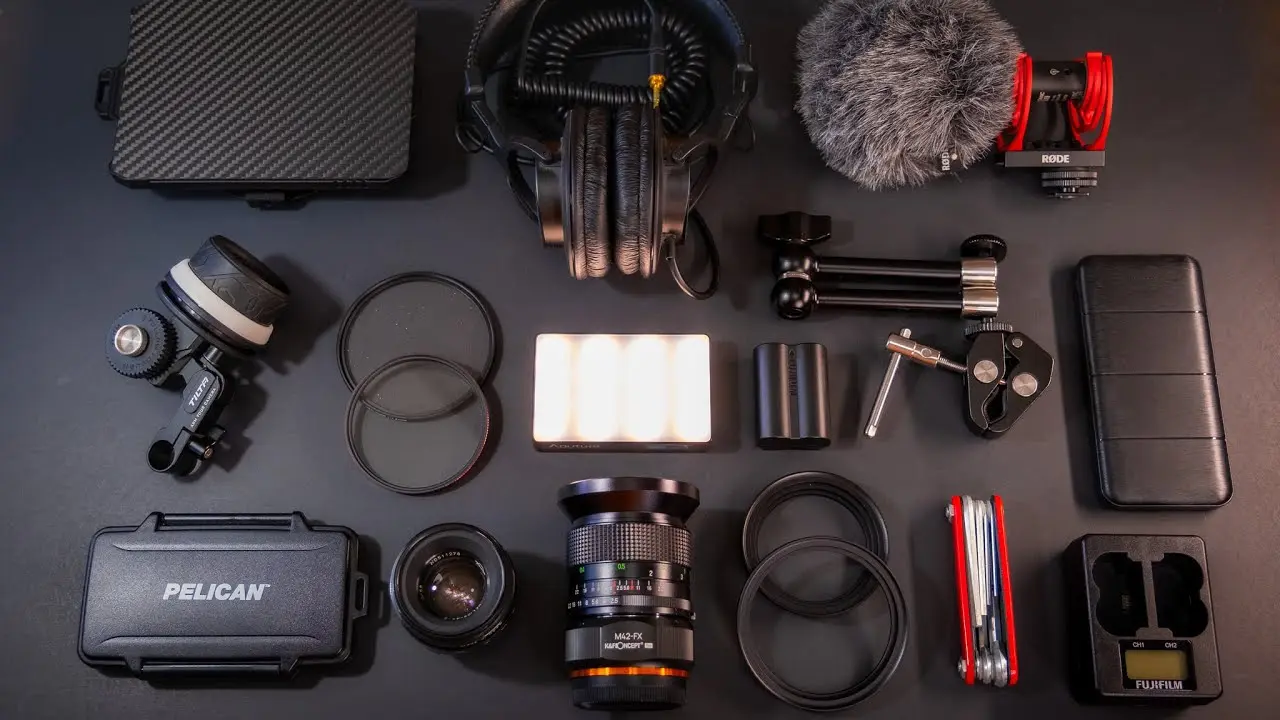
Whether you are just starting out with your first camera or you have been shooting for years, accessories play a much bigger role than most people initially expect. A good camera body and lens are important, of course, but it is often the small, practical items that decide whether a shoot goes smoothly or turns into a frustrating experience. From running out of battery at the wrong moment to struggling with blurry images in low light, most common photography problems have very simple accessory-based solutions.
In Dubai, where photographers often deal with intense sunlight, heat, sand, and fast-paced commercial shoots, being properly equipped matters even more. This guide focuses on must have camera accessories that actually make a difference, without pushing unnecessary gear or trends.
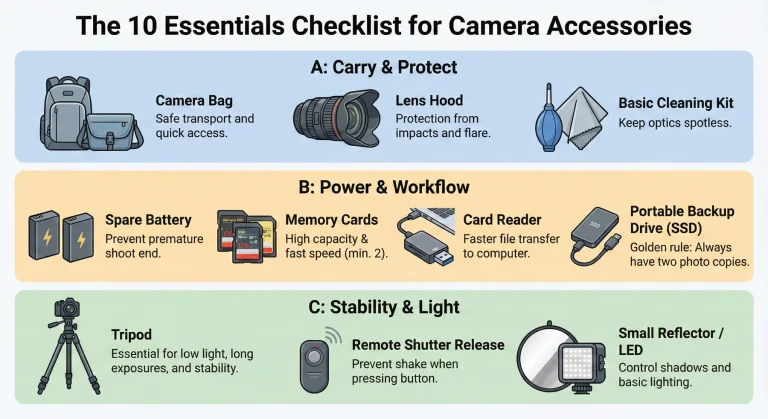
Quick Checklist: 10 Must-Have Camera Accessories
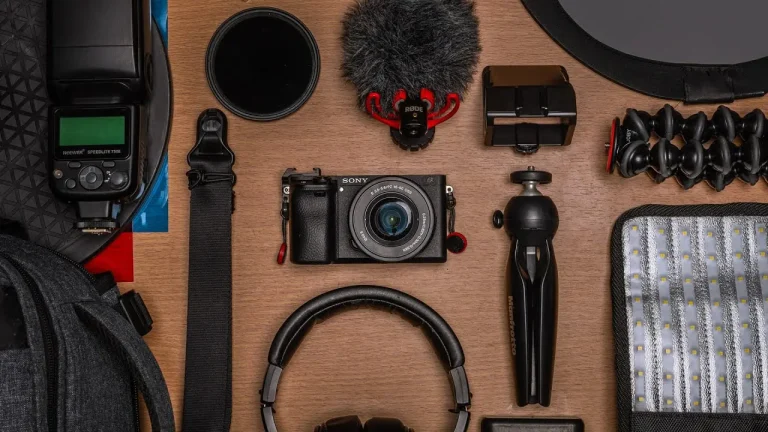
Before diving into the full list, here’s a quick, scannable overview of essential gear. Think of this as your foundational kit—items that help prevent common issues like running out of power, missing a shot due to shake, or damaging your equipment.
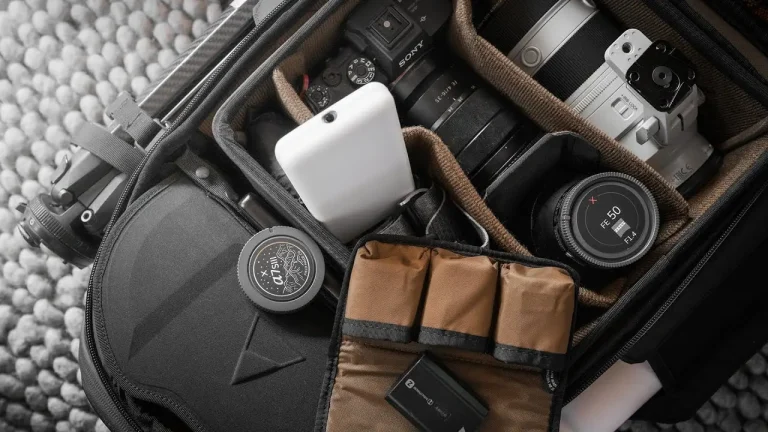
- Camera Bag: A dedicated, padded bag is non-negotiable for safe transport and quick access to your gear.
- Spare Battery: One extra battery is a minimum; it prevents your shoot from ending prematurely.
- Memory Cards: Have multiple high-capacity, fast cards. Never rely on just one.
- Card Reader: A USB 3.0 or better reader transfers files to your computer much faster than the camera cable.
- Tripod: Essential for sharp images in low light, long exposures, and any situation requiring stability.
- Lens Hood: This simple attachment protects your lens from bumps, rain, and harsh, flaring light.
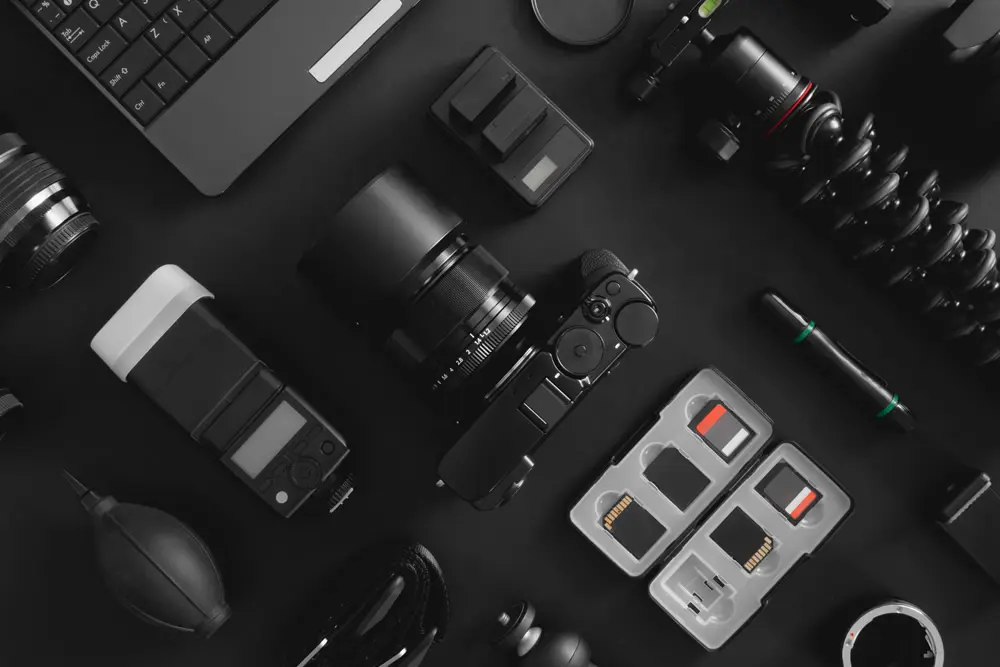
- Basic Cleaning Kit: A rocket blower, microfiber cloths, and lens fluid keep your optics spotless.
- Remote Shutter Release: Allows you to trigger the camera without touching it, eliminating shake during long exposures or self-portraits.
- Portable Backup Drive: A small SSD for field backups ensures your photos exist in two places before you format a card.
- Small Reflector or LED Light: A simple 5-in-1 reflector or compact LED panel gives you control over light and shadows.
These camera accessories essentials are not about luxury. They are about reliability. Each one solves a common problem that photographers face sooner or later. If you are building your kit from scratch, start here and expand only when your work demands it.
Select the Right Gear Based on Your Shooting Style
One of the biggest mistakes people make when buying essential photography gear is following trends rather than focusing on their actual needs. Before asking “what do I really need for my setup?”, it’s helpful to be honest about how and what you shoot.
For Travel & Street Photography in Dubai
Your kit for travel and street photography should be light, fast, and discreet for all-day exploration. Focus on items that keep you mobile and ready at a moment’s notice.
Top Essentials:
- Lightweight Sling Bag: For quick access and comfort while walking.
- Extra Batteries: A simple must-have camera accessory that guarantees your day doesn’t end early.
- Versatile Zoom Lens Hood: Offers basic protection from the sun and bumps, which is essential for dynamic environments.
Portrait Photography
The focus is on flattering light and authentic connection. Your camera accessories list should help you shape the scene and engage with your subject naturally.
Top Essentials:
- Reflector/Diffuser: One of the most affordable and useful photography accessories for controlling natural light, perfect for softening shadows outdoors.
- Fast Prime Lens: Creates that lovely, soft background blur.
- Remote Shutter: Lets you step from behind the camera for natural interaction.
Landscape Photography
Landscape photography demands precision, stability, and control over challenging light. Your must have photography accessories are all about maximizing image quality.
Top essentials:
- Sturdy Tripod: The non-negotiable foundation for tack-sharp images.
- ND Filter: Manages bright skies and creates smooth motion in water.
- Fast Card Reader & SSD: Handles large files and safe backup on the go.
Video & Content Creation
If video is your focus, your list of what camera accessories do I need shifts toward stability and audio. Smooth footage and clear sound are paramount.
Top essentials:
- External Microphone: This is a must-have camera accessory for videography; it improves audio quality more than any camera upgrade.
- Video Tripod/Gimbal: Provides the stable base or smooth motion needed for professional-looking clips.
- High-Speed Memory Cards: Prevents recording stoppages and reliably handles the large, continuous data flow of video files.
Carry & Protect Your Gear (Bags, Straps, Organization)
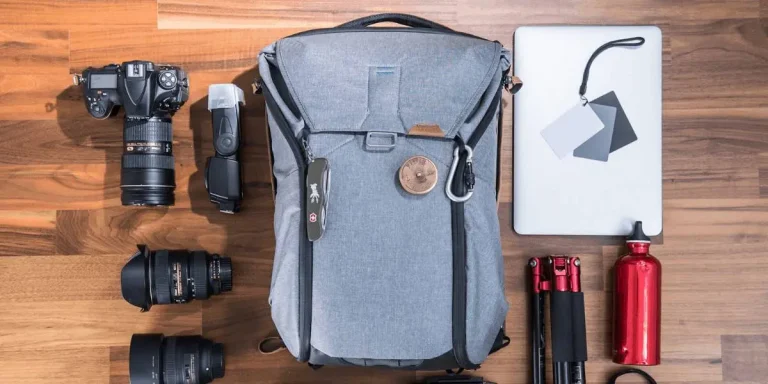
Missed shots often occur not due to poor technique, but because the gear wasn’t ready in time. Essential beginner items that help carry and protect your equipment properly can make a significant difference.
Bags: Sling vs Backpack
A good bag is one of the camera accessories essentials that does more than hold things. It organizes your tools so you can find them instantly and protects your investment from knocks and the elements.
| Feature | Sling Bag | Backpack |
| Access Speed | Very fast | Moderate |
| Weight Distribution | One shoulder | Both shoulders |
| Capacity | Small to medium | Medium to large |
| best accessories for | Street, travel | Events, long shoots |
When choosing any bag, pay attention to:
- Padding: Is there thick, adjustable padding around the camera compartment?
- Access: Can you reach your main camera quickly without opening the whole bag?
- Comfort: Are the straps wide and breathable? Does it feel balanced when loaded?
- Weather Resistance: Does it have a built-in rain cover or highly water-resistant fabric?
Straps
- Neck straps: Stable but tiring for long shoots
- Sling straps: Better weight balance and quick access
- Wrist straps: Minimal and secure for lightweight setups
Small Organizers
Simple card and battery cases are one of the best camera accessories that prevent dust damage and confusion. Always store full and empty batteries separately and keep memory cards in protective sleeves, especially in sandy environments.
Stability (Tripods, Heads, Small Support)
A tripod is often underestimated, but it is one of the most useful must have camera accessories.
Tripods & Heads
- Ball heads: Fast adjustments, great for photography
- Pan/tilt heads: Smoother control, one of the most useful photography accessories for video
When selecting a tripod for your setup, keep these points in mind:
- Maximum Height: It should allow you to shoot at eye level without the center column extended too high (which reduces stability).
- Load Capacity: Must comfortably support your heaviest camera and lens combo.
- Weight: Consider how far you will carry it. Carbon fiber is lighter than aluminum but more expensive.
- Quick Release Plate: A must-have system that lets you attach and detach your camera from the tripod in seconds.
Small Support Options
For times when a full-sized tripod is too much, a small tabletop tripod or a clamp can be a lifesaver. You can mount it on a railing, a chair, or any stable surface to get that crucial stability in tight spaces.
- Tabletop tripods: Great for desks, cafes, and product shots
- Clamps: One of the useful photography accessories in tight spaces where tripods cannot fit
Remote or Self-Timer
Even pressing the shutter can introduce shake. A simple remote or self-timer is invaluable for long exposures, group photos, or self-portraits.
Power (Spare Batteries + Charging)
Running out of power is one of the easiest problems to avoid.
Simple rule:
- Half-day shoot: 1 spare battery
- Full-day shoot: 2 spare batteries
Dual chargers save time, and USB chargers are perfect when traveling. Powerbanks on the other hand are must have mirrorless camera accessoriess, especially when shooting video outdoors.
Storage & Backup Workflow
Start with multiple high-capacity, high-speed memory cards. Do not put all your photos on one card. If a card fails, you lose only that portion of your work. A fast card reader (like USB 3.2 or UHS-II compatible) is a tiny investment that saves huge amounts of time when transferring hundreds of photos or large video files to your computer.
Remember that storage is not just about space. It is about safety and speed.
- Extra memory cards: Prevent missed shots
- Fast card reader: Saves time during transfers
- Portable SSD: Your most important habit should be the backup rule of two: always have your photos in two separate physical locations before you format or erase a memory card. This is where a portable Solid State Drive (SSD) comes in as a reliable backup while traveling
- One golden rule: always have two copies before formatting a card.
Compatibility Check
- Match the card type (SD, CFexpress, etc.) to your camera’s slot.
- Ensure your reader has the correct ports (USB-C, USB-A) for your computer.
- Pick card speed (look for V30/V90 ratings) and capacity based on whether you shoot high-resolution RAW files or video.
Care & Protection Accessories (Lens & Camera Maintenance)
Taking good care of your camera system ensures consistent performance and extends the lifespan of both the camera body and lenses. These are not core imaging components, but essential accessories that protect, support, and preserve your main gear.
Start with the basics. Always use a lens hood when shooting. While commonly associated with controlling flare, a lens hood also acts as a physical buffer that protects the front element from accidental impacts. When the camera is not in use, keeping the lens cap or a high-quality protective filter on helps prevent scratches and dust buildup.
Lens Hood
A simple but critical accessory that reduces glare, improves contrast in challenging light, and provides physical protection for the lens.
Filters (Situational Accessories)
Filters are optional tools used when specific visual control is needed:
- Circular Polarizer (CPL): Reduces reflections from water and glass, deepens blue skies, and enhances cloud contrast. Widely used in landscape and outdoor photography.
- Neutral Density (ND) Filter: Limits light entering the lens, enabling slower shutter speeds or wider apertures in bright conditions. Essential for motion blur effects and cinematic video.
- UV / Skylight Filter: Mainly used as a protective layer for the lens front element. Optical impact is minimal with high-quality, multi-coated filters, making them a practical but optional safeguard.
Cleaning & Maintenance Routine
A basic cleaning kit is sufficient for regular care. Use a rocket blower to remove loose dust without contact, microfiber cloths for gentle cleaning, and lens-safe cleaning fluid for fingerprints or smudges. Always clean from the center outward using light, circular motions.
Important note: Never attempt manual sensor cleaning unless you are trained and equipped. Rely on the camera’s built-in sensor cleaning function, and for persistent dust spots, consult a professional service center.
Lighting Tools (Pick One Starter)
Good light improves results faster than almost anything else.
- Small flash: Strong output, less continuous preview
- Small LED: Constant light, a must have camera accessories for beginners
A simple reflector or diffuser is often the cheapest and most effective lighting upgrade. It works well for portraits, products, and indoor shoots.
Save Your Budget: Gear You Can Skip Without Regret
Not everything sold as “camera accessories essentials” really is.
- Cheap filters: Can reduce image quality
- Gimmicky grips: Rarely improve handling
- No-name batteries: Risky and unreliable
- Oversized bags: Heavy and uncomfortable
- Too many memory cards: Hard to manage
- Gimbal for non-video shooters: Expensive and unnecessary
Each of these items has a use case, but most photographers can skip them without any regret.
Goal-Based Optional Gear List (Only When It Makes Sense)
Once you have your essentials covered and you know your specific needs, these “nice-to-have” items can solve particular problems and enhance your work.
For Serious Video Work:
- External Microphone: The built-in camera mic picks up every handling noise. A simple shotgun or lapel mic dramatically improves audio quality.
- Gimbal Stabilizer: For buttery-smooth moving shots while walking, a gimbal is the tool. Only consider this once video is a core part of your work.
For Rugged Outdoor Adventures:
- Professional Rain Cover: For shooting in desert winds, sea spray, or unexpected rain, a dedicated, fitted rain cover offers far better protection than a plastic bag.
For Advanced Portrait & Product Work:
- Off-Camera Flash System: One flash, a transmitter, and a small softbox allow you to create studio-quality lighting anywhere.
- Larger Reflector/Diffuser Kits: A bigger reflector or a scrim provides more control over lighting for larger subjects or scenes.
Start Here: The Correct Order for Buying Essential Camera Gear
In must have camera accessories for beginners, order matters more than quantity.
- Camera bag, memory cards, spare battery
- Tripod
- Card reader and backup storage
- Basic lighting
- Filters (only if needed)
This buying order applies to essential gear for DSLRs, mirrorless cameras, and even compact models. Always adjust according to your photography style and budget.
Work With Professionals Who Understand Creative Gear and Markets
If you are a photography brand, retailer, or creative business in Dubai looking to reach the right audience, clear content and smart positioning matter just as much as the products themselves. Helio Marketing and Advertising Agency helps creative businesses communicate value, build trust, and grow their presence in competitive markets. From content strategy to performance marketing, Helio understands both creativity and commercial goals.
A Practical Way to Build Your Camera Kit
Accessories should support your creativity, not complicate it. Start with the essentials, add tools when your work demands them, and avoid buying gear just because it looks impressive online. With the right must have camera accessories, you will spend less time fixing problems and more time focusing on what truly matters: making strong, confident images.